
by Roy Bernardi
A pleasant way to enjoy a sunny afternoon in New York City is to explore a hidden treasure located just across from Central Park and steps from the Metropolitan Museum of Art. Despite having visited New York City numerous times, and had never taken the opportunity to experience the Frick Collection museum. On a bright afternoon, while strolling through the city with the lovely Theodora Chizoman Anurukem, an elementary school teacher, we paused on a bench near Central Park. While resting, we noticed a banner promoting the Frick museum, which led us to discover that we were conveniently situated right across the street. Upon our visit, we found a surprisingly large number of visitors for a museum of its scale. Notably, the museum enforces a policy that prohibits entry for children under the age of ten, which effectively excludes families with young children from attending.
The Frick Collection, 1 East 70th Street, Manhattan, NY which opened its doors to the public in 1935, boasts one of the most distinguished collections of European paintings globally. Located within the Henry Clay Frick House, built in 1913, the establishment includes a garden and a central fountain situated in the middle of the residence. Its collection showcases artwork ranging from the early Renaissance to Impressionist period, arranged without a specific logical or chronological sequence.
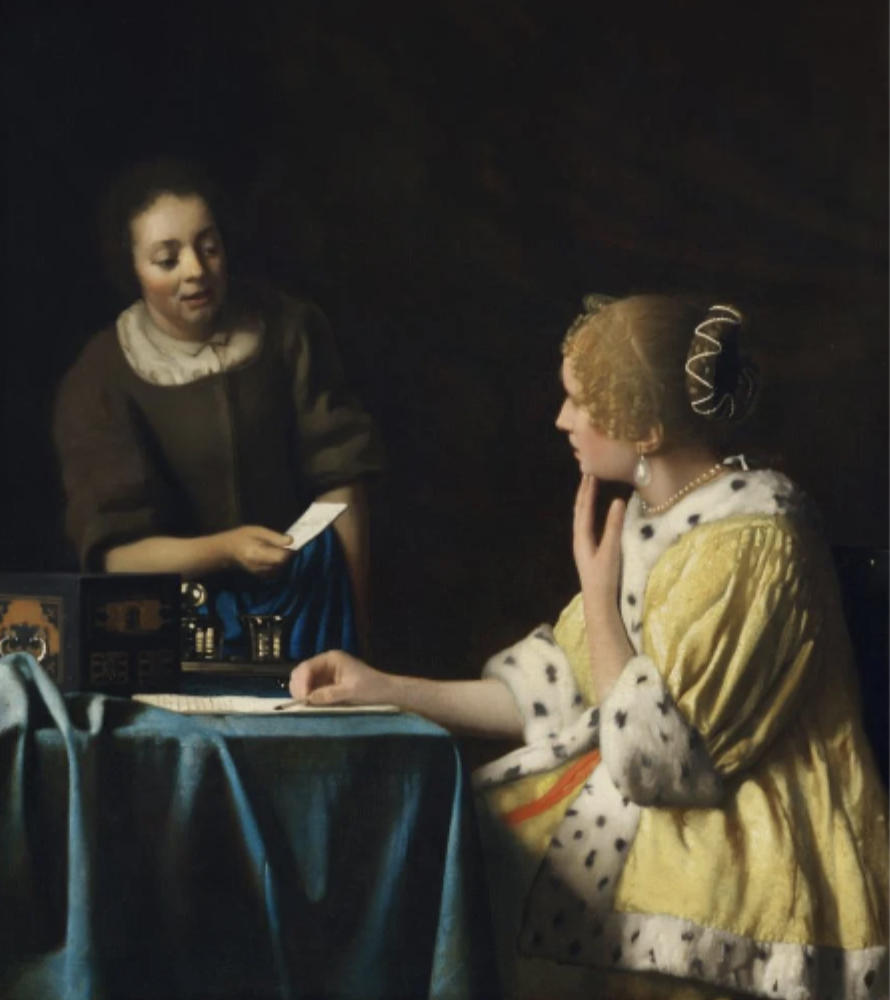
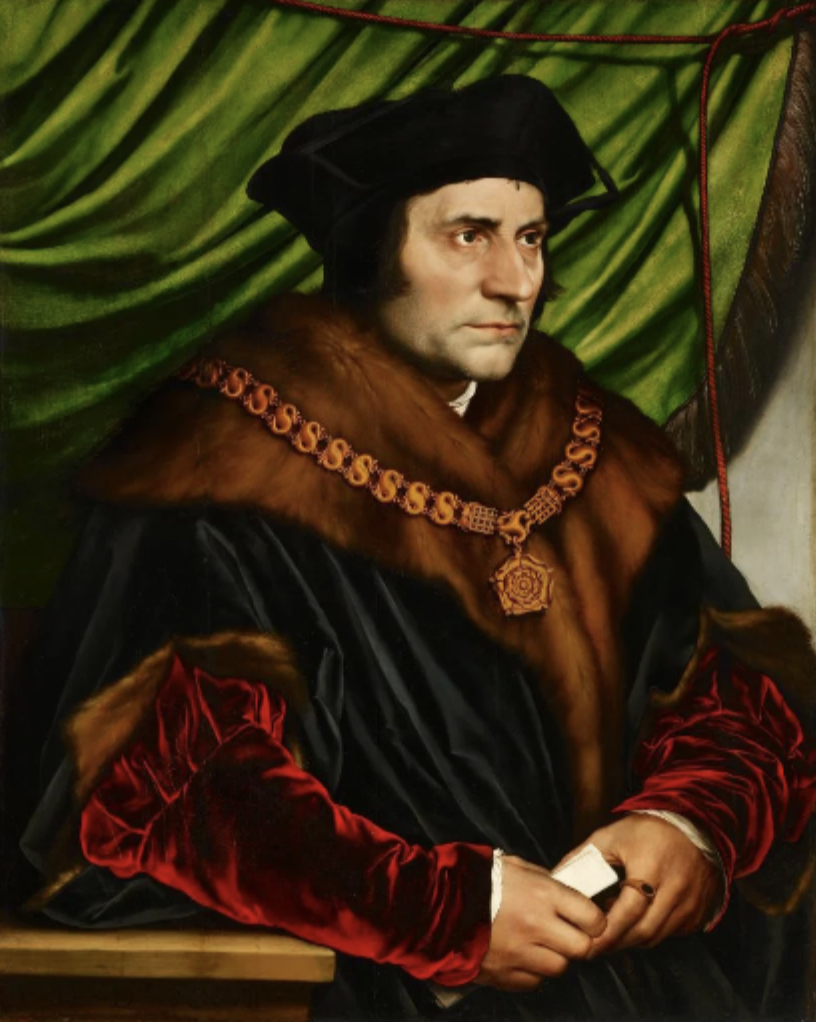
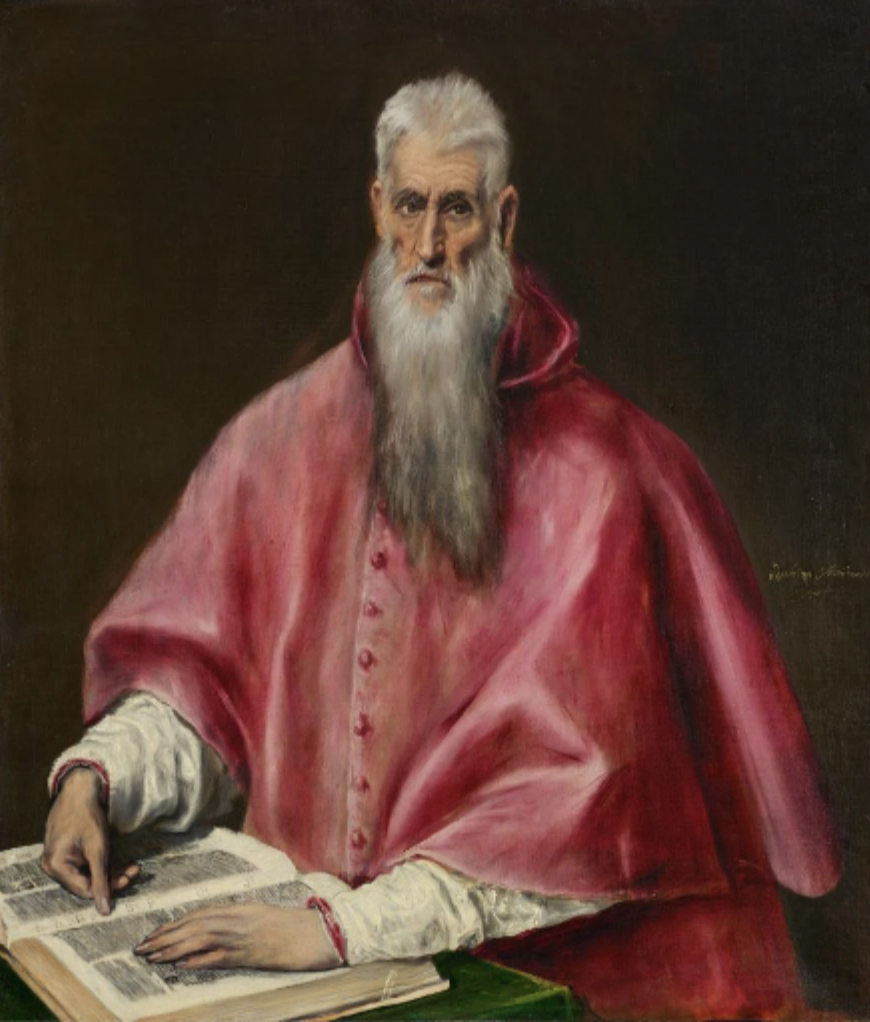
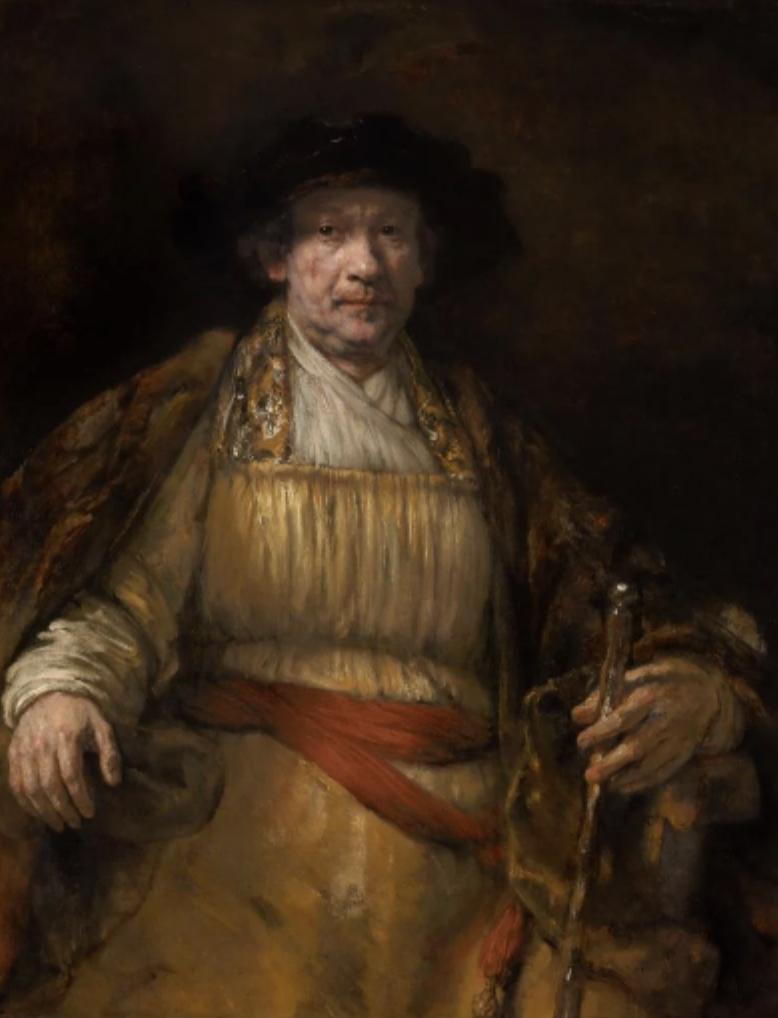
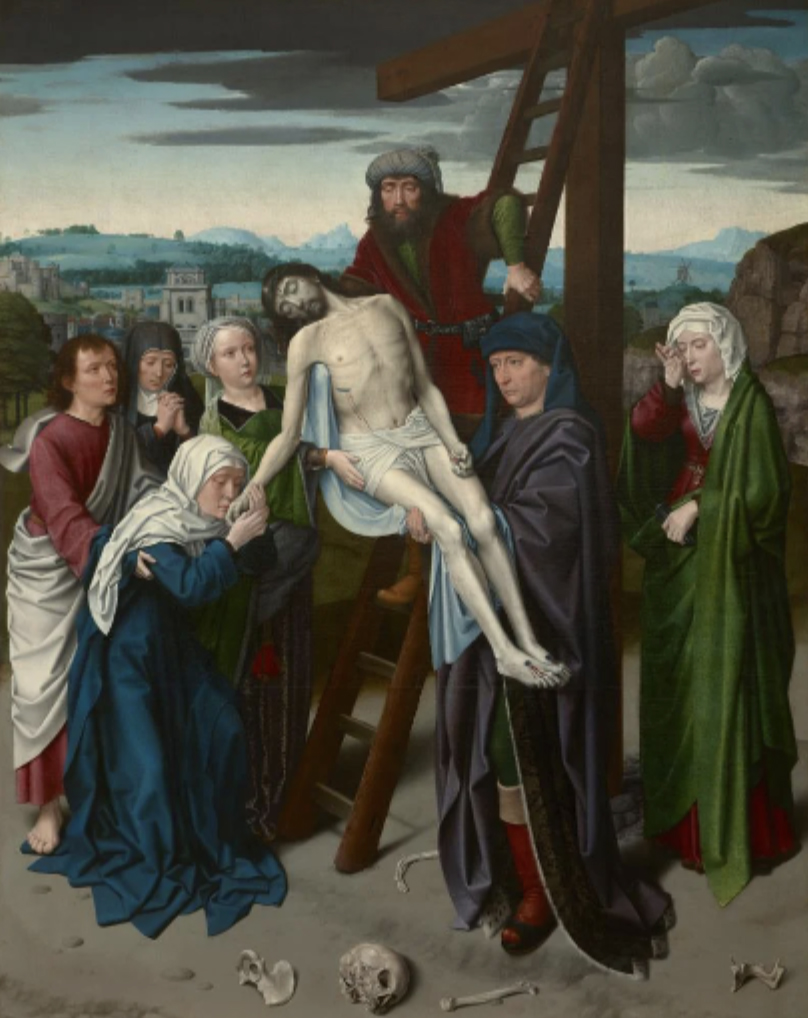
The collection features two notable paintings by J. M. W. Turner (1775-1851) and one by John Constable (1776-1837). It is particularly impressive that Frick was able to obtain three works by Johannes Vermeer (1632-1675), especially considering that the artist only painted 34 works in his lifetime that are acknowledged as genuine. Like many collectors, Frick focused on depth, often obtaining multiple works from the same artist. His collection includes five pieces by James McNeill Whistler (1834-1903), four of which are large-scale full length body portraits, two portraits by Titian (Tiziano Vecellio) (1490-1576), four by George Romney (1734-1802), and three by Rembrandt Harmensz van Rijn (1606-1669), including one self-portrait. Additionally, it features two iconic portraits by Hans Holbein the Younger (1497-1543), three paintings by El Greco (1541-1614), four by Francisco de Goya (1746-1828), five portraits by Thomas Gainsborough (1727-1788), and eight by Anthony van Dyck (1599-1641).
The collection is further enriched with five landscape paintings by Jean-Baptiste-Camille Corot (1796-1875), as well as works by Gilbert Stuart (1755-1828), Edgar Degas (1834-1917), Anton Mauve (1838-1888), Claude Monet (1840-1926), and Diego Rodríguez de Silva y Velázquez (1599-1660). Beyond paintings, it also includes carpets, porcelain, sculptures, and period furniture.
Henry Clay Frick (December 19, 1849 – December 2, 1919) was a prominent American industrialist, financier, and art patron, known for establishing the H. C. Frick & Company coke manufacturing firm and later serving as chairman of Carnegie Steel Company. In the later part of his career, he played a crucial role in the creation of U.S. Steel, which emerged as the largest steel producer in the world.
Frick wed Adelaide Howard Childs from Pittsburgh on December 15, 1881, and together they had four children, two of whom passed away in infancy.
On July 23, 1892, Frick survived a harrowing assassination attempt, during which he was shot twice at close range and stabbed four times in the leg while attempting to subdue his assailant. Frick miraculous survived.
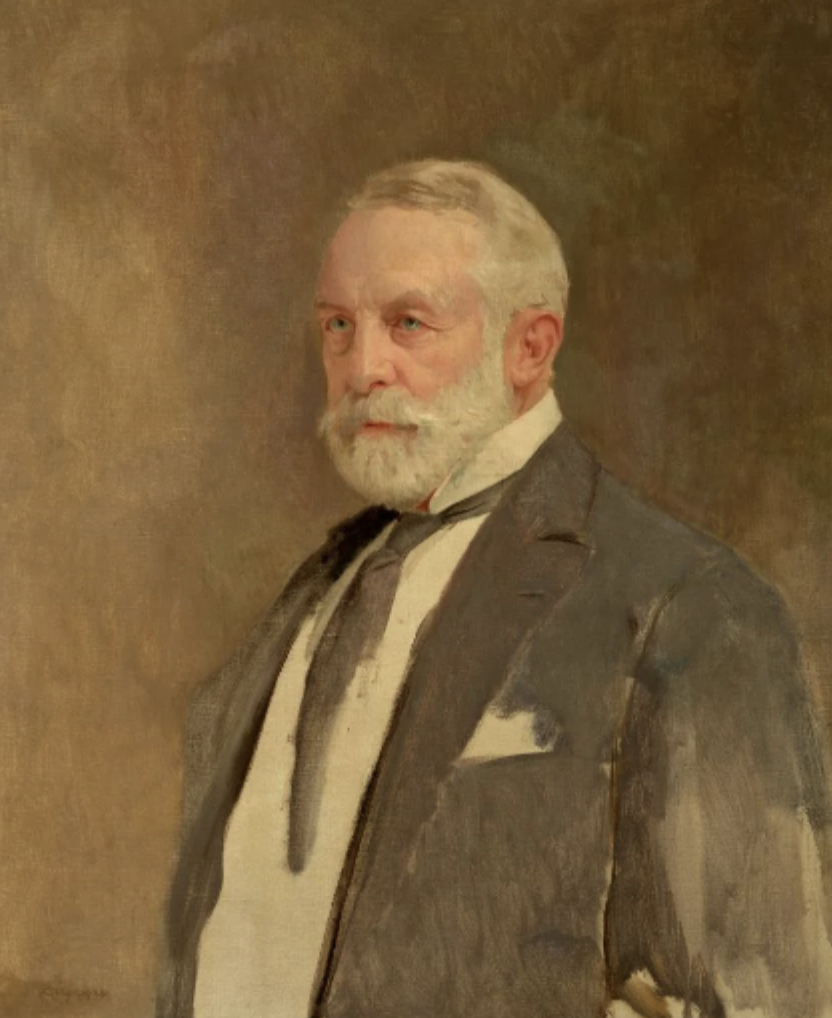
In 1912, Frick and Adelaide while on vacation in Europe had planned to return to New York aboard the RMS Titanic’s maiden voyage, accompanied by J. P. Morgan. However, they canceled their journey after Adelaide sustained a sprained ankle in Italy, thereby narrowly avoiding the disaster that befell the ship.
Frick died of a heart attack on December 2, 1919, at the age of 69. He was buried in Pittsburgh’s Homewood Cemetery.