by Steve Rockwell
Author Jerzy Kosiński’s end-of-life note was short and to the point: “I am going to put myself to sleep now for a bit longer than usual. Call the time Eternity.” Hemisphere House in New York City became the setting for Kosiński’s final, increasingly difficult years. On May 3, 1991, he died by suicide in his West 57th Street apartment bathroom, while his wife slept. Subsequently, she discovered him naked in a half-filled bathtub with a plastic bag tied around his head.
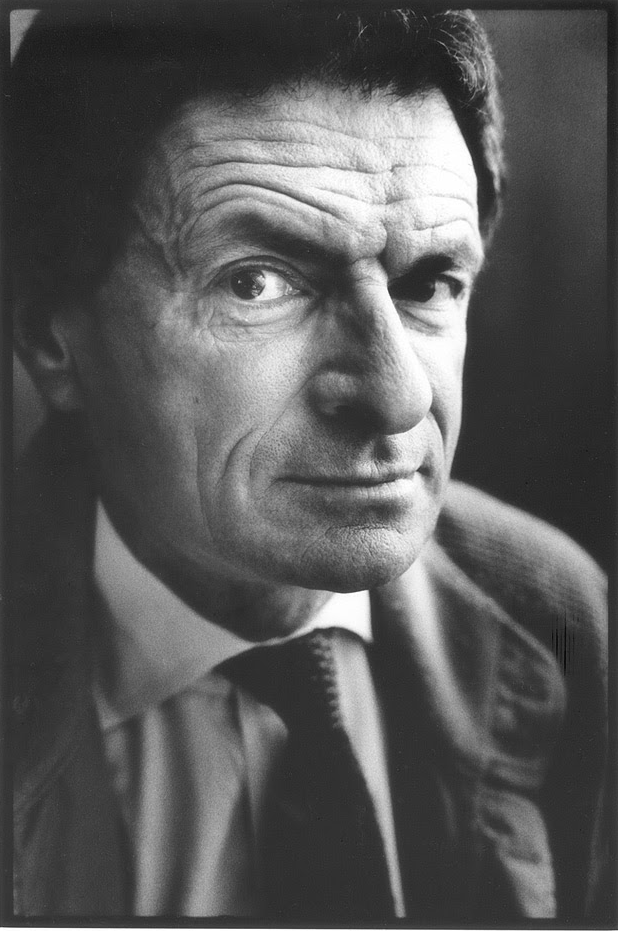
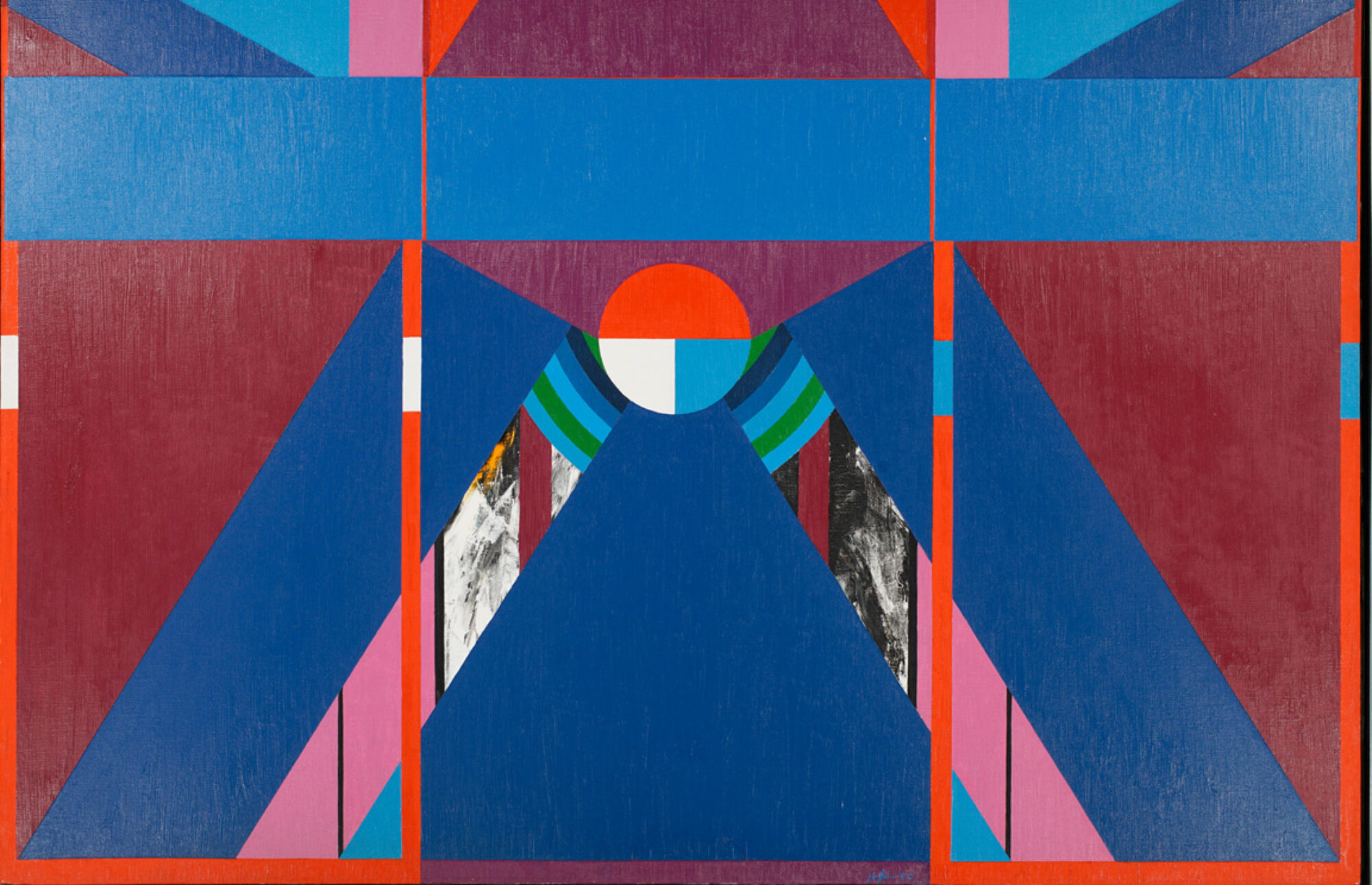
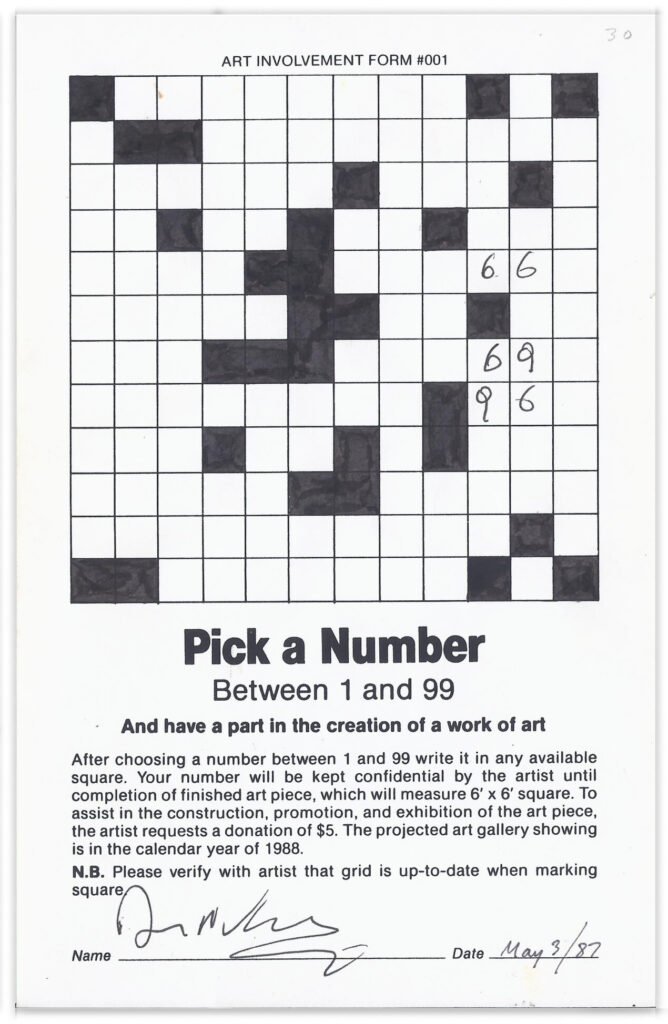
I attended Kosiński’s 1987 Toronto lecture, at the end of which he quite eagerly consented to take part in my Pick a Number from 1 to 99 project. At the corner of Hazelton and Yorkville streets, within a week or so after the talk, a chance encounter with the author took place. Information about a future exhibition possibility of my “Numbers,” was conveyed. At the point where Kosinski was handing me his business card, however, a female companion arrived with a bulky shopping bag. Popping the trunk of the parked car, she urged, “Come on, Jerzy. We gotta go!”
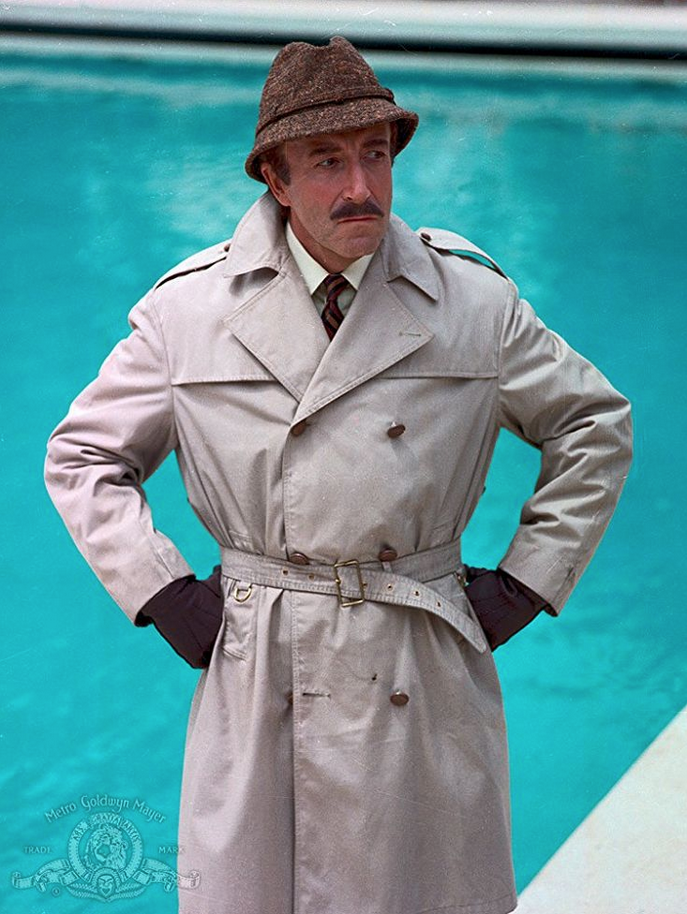
A memorable part of Kosiński’s Being There talk, was learning about Peter Sellers’ absolute obsession with wanting to play Chauncey Gardiner in the film of Kosiński’s book. As a contrast to Clouseau‘s voices, disguises, and physical comedy, his Being There character became a suppression of performance – two extremes of the same actor. The Clouseau character had evolved considerably. Initially, in the 1963 Pink Panther, he was not intended to dominate the film. David Niven’s jewel thief, Sir Charles Lytton, was closer to the central figure. Sellers’ performance, however, was so distinctive that Clouseau effectively took over the series.
Excerpts of Kosiński’s Toronto talk were preserved by Harper’s Magazine under the title, “Cake Killer.” Here the author makes the point that modern culture aggressively forces the writer out from behind his books into the predatory glare of public celebrity. Annie Leibovitz photographed him as a shirtless polo player for the cover of New York Times Magazine. The result: “Once a novelist is portrayed half-naked, as I was, on the cover of a magazine, his profile clearly changes.” They lose their literary uniqueness, making them “no different than any public figure.”
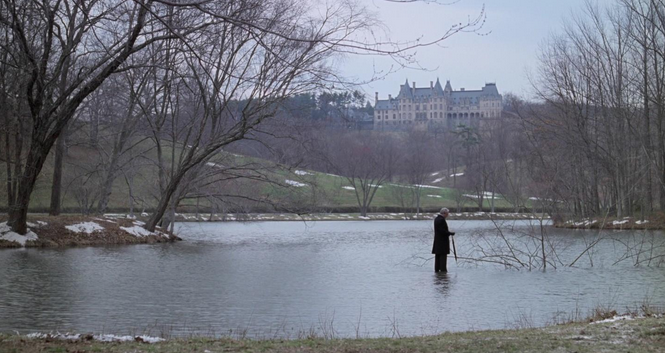
Kosiński considered himself an autofiction writer, a literary genre that blends autobiography (factual life history) and fiction. The author of a memoir is expected not to lie. With autofiction, the reader understands that the author will make things up for artistic effect. It’s also a given that our memories are unreliable. Personally, I had been cautious and suspicious of the autofiction genre. One of the objectives of my 1987 Pick a Number art project, was to clearly separate the art from the factual with a “signed and dated agreement.”
“Who Killed Jerzy Kosiński?” was a 2023 Vanity Fair article by Wayne Lawson. Lawson argues that Kosiński’s suicide cannot be understood separately from the public destruction of his identity as a writer. To this he adds: serious physical illness, fear of cognitive decline, and profound depression. The larger question might be: Did Jerzy Kosiński die partly because the public could no longer distinguish the man from the mythology he had created around himself?
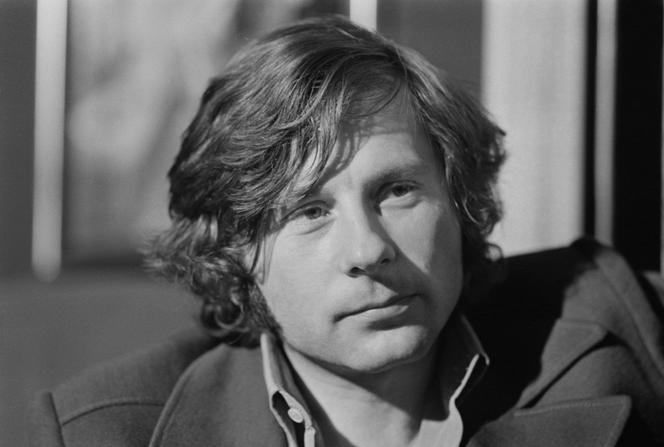
Is it far fetched to consider lingering survivor guilt from 1969? Jerzy Kosiński has stated that he received an invitation to visit Roman Polanski and Sharon Tate at Cielo Drive on the night of the Manson murders. Kosiński and Roman Polanski had known one another since their youth in Poland and had remained connected after both achieved international success. He had received a letter from Wojciech (Voytek) Frykowski and Abigail Folger while travelling in Europe, with plans for the Kosińskis eventually to meet the group in Los Angeles.
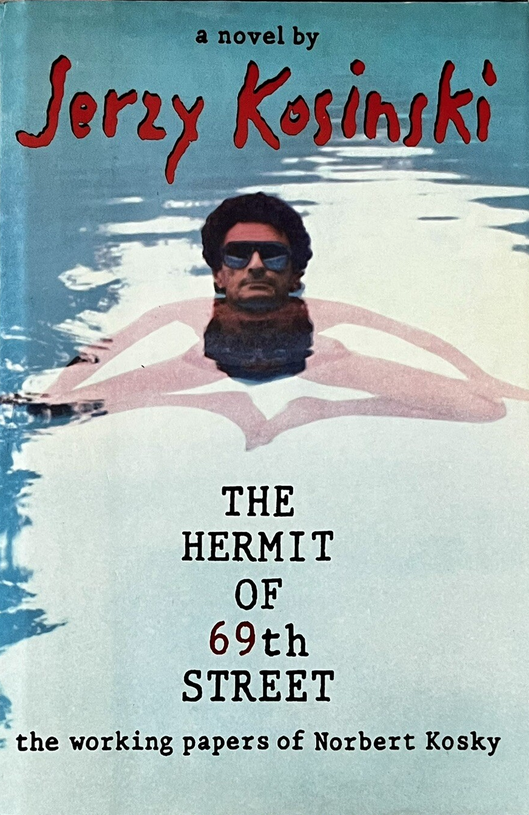
On the night of Friday, August 8, 1969, Sharon Tate, Abigail Folger, Voytek Frykowski and Jay Sebring were murdered at 10050 Cielo Drive. An airline baggage mix-up had diverted Kosiński and Kiki’s luggage while returning from Europe. The delay prevented them from continuing to Los Angeles as planned. Polanski, in his 1984 autobiography, denied that Kosiński had been invited to the house that night. Yet, a friend of Kosiński later wrote to The New York Times asserting that he had seen an invitation addressed to Kosiński. In any case, Polanski himself had been away in London at the time.
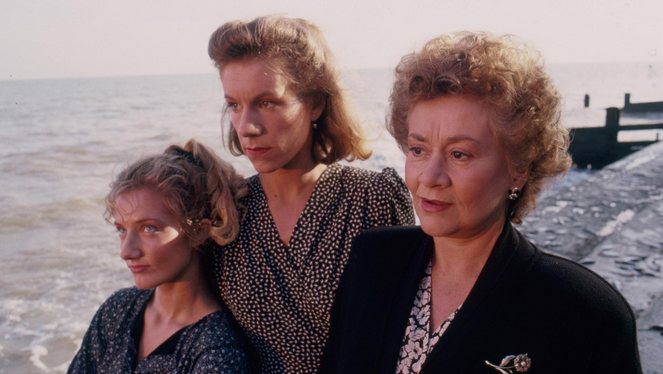
Film maker Peter Greenaway released Drowning by Numbers in 1988. The film is structured around three drowning-murders with a hidden conceptual counting out from 1 to 100. On May 2, 1991, the night before his death, Kosiński went to dinner and then a viewing of Drowning by Numbers with Polish jazz singer Urszula Dudziak. He died the following morning, in the bathtub of his Hemisphere House apartment.