by Steve Rockwell
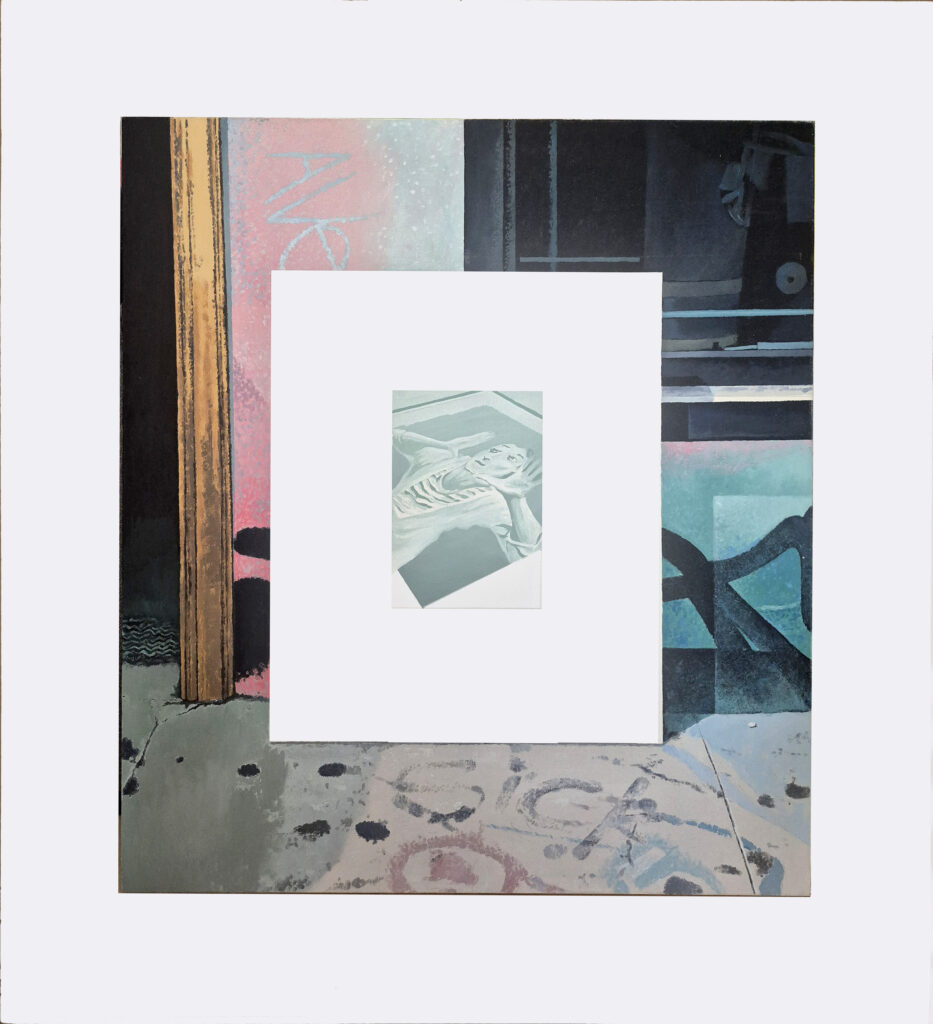
It’s a joke readymade. My painting of Marcel Marceau was “abandoned” on Melrose Avenue on April 1, 1994 in Los Angeles. Yes, Mime on Melrose had been a sight gag – a “silent” French actor trapped within a canvas in Hollywood, where no one could hear him scream. Of course, revenge would come in the form of five Oscars in 2011 at the 84th Academy Awards.
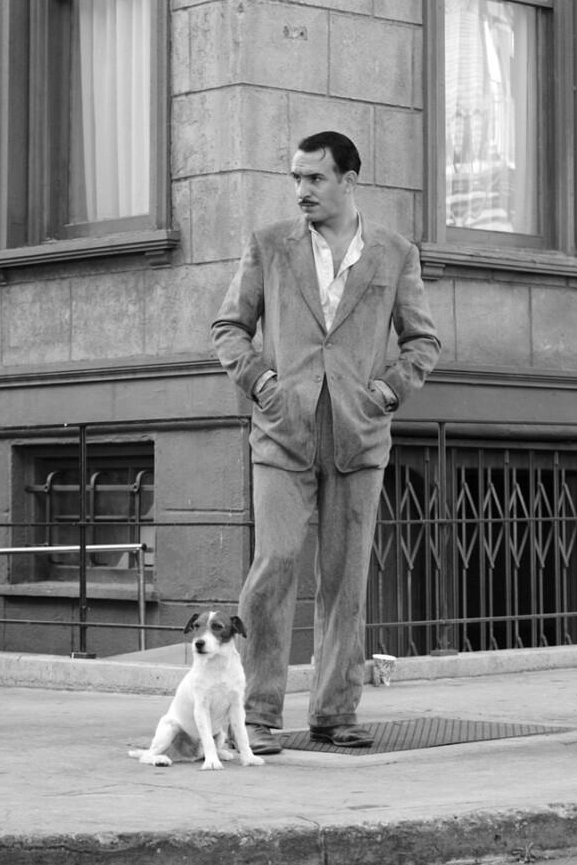
The Artist became the first silent film, to win best picture since Wings in 1929. The Michel Hazenavicius film pulled off a historic sweep, Jean Dujardin, being the first French actor ever to win the category. So, there! To rub it in, directing, score, and costume took the remaining Oscars.
My own bias for the visual sense developed when the world fell silent as a child. When I lost my hearing due to enlarged adenoids, I compensated by just looking harder. Images of the operation itself, as a five-year-old, are still quite clear: arms being strapped to the chair, an anesthesia mask much like a small lamp shade raised to my face – then coming to, seeing the doctor waving surgical tweezers with some whitish tissue.
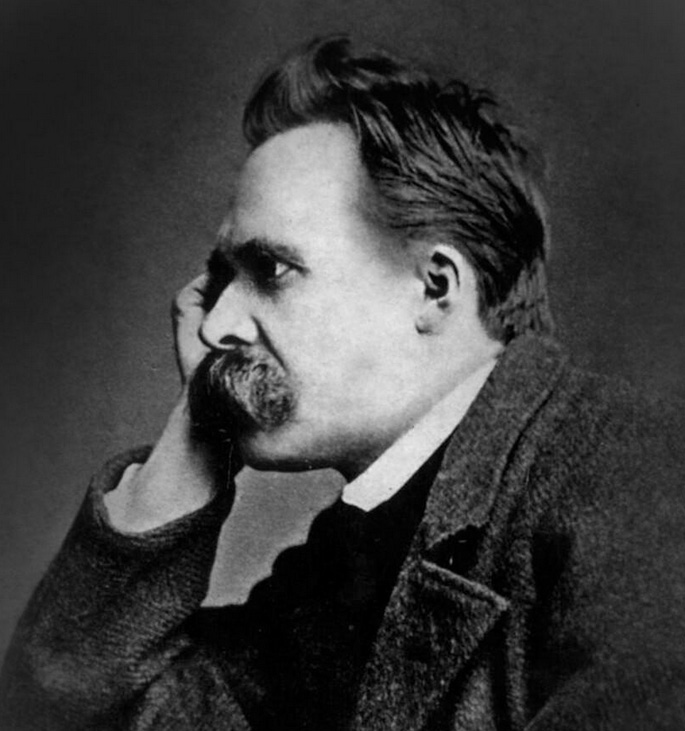
In the field of philosophy, the cone of “silence” seemed to have fallen over one particular thinker. Apparently, Friedrich Nietzsche had been fearful. In a confession to a friend, even the mere mention of this individual’s name publicly, might have resulted in a charge of plagiarism against Nietzsche. Karl Marx took the opposite approach. Together with Engels, they spent a year writing a 500 page attack-book in an effort to silence him. One of the most obsessive, explosive feuds in the history of political theory was the result.
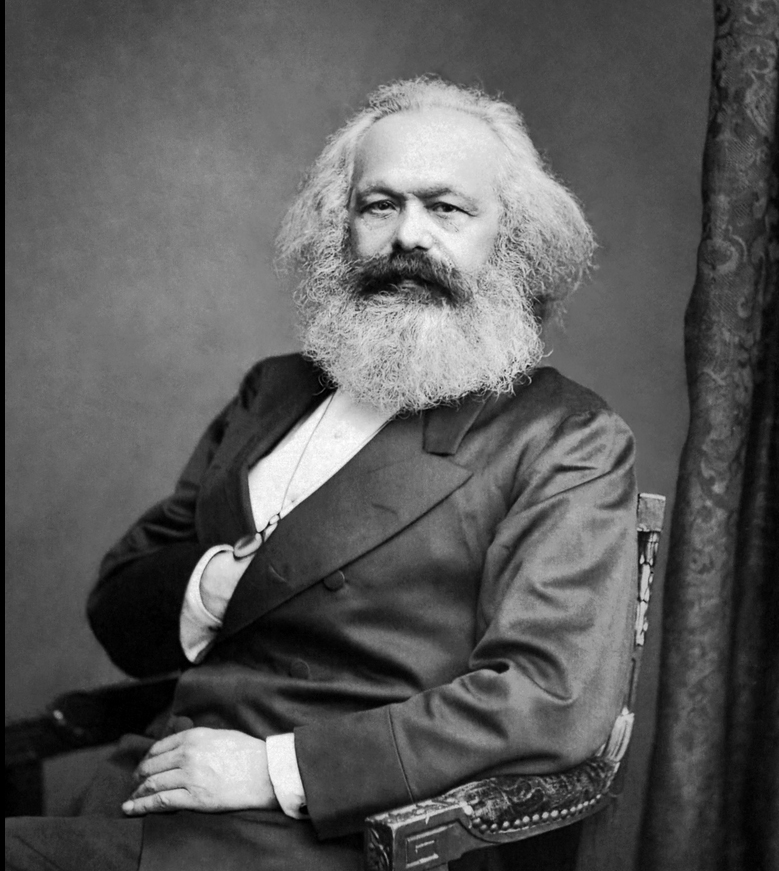
Marcel Duchamp had called “Philosopher X” the primary intellectual influence on his entire artistic output. Here he found the catalyst for his break from conventional painting and subsequent invention of the ready-made. “X” argued that State, Religion, Humanity, Morality, and Truth are “spooks,” they being fixed ideas employed to subjugate the individual ego. Applied to the art world, Art, Taste, and Genius are “social spooks,” that required systematic demolition. In practice, a state of personal autonomy might be achieved through absolute indifference to societal expectations.
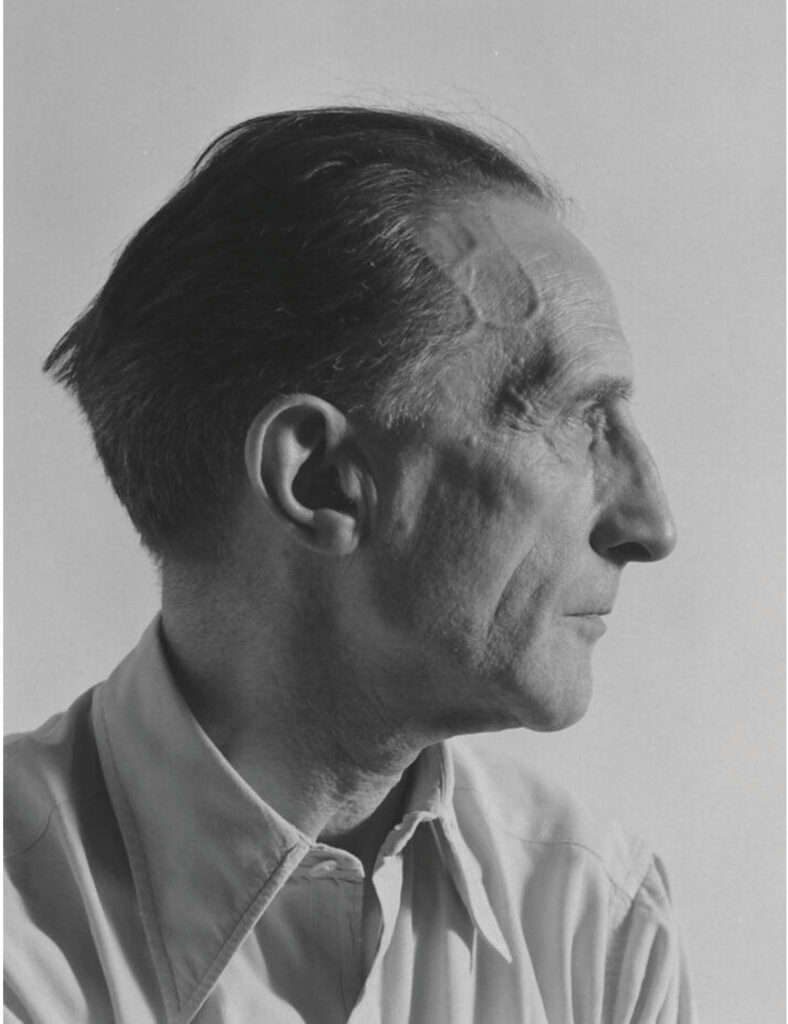
Readers of philosophy would recognize the mystery thinker as Max Stirner. At the core, Stirner rejected authority in any form. These illusions, mental ghosts, or “spooks,” having been banished, a “creative nothing” was possible. The ego now free from all ideologies, situated in a state of total intellectual neutrality – a clean slate. Stirner’s 1844, The Ego and Its Own, was the career-defining work that Duchamp discovered while staying in Munich around 1912.
The concept of a societal clean slate has a precedent in the French Revolution, 1793 being “Year One.” With history erased, time reset, the birth of a new world could now be governed strictly by reason. Churches across France were stripped of religious imagery, now dubbed “Temples of Reason.” Opera actress, Sophie Momoro, portrayed the Goddess of Reason in the newly-minted Festival of Reason at the Notre-Dame Cathedral.
There are thinkers, and there are doers. To implement the wiping of the cultural slate, doers are required. The tool, during the Reign of Terror, became the guillotine – a humane, rational instrument of social progress, egalitarian and swift. Another “Year Zero” was attempted in Cambodia. Somewhere between 1.5 and 3 million people died in the Killing Fields during Pol Pot’s Khmer Rouge regime (1975-1979). Coming from a wealthy background, Pol Pot was educated in France, but had been a mediocre student. He had a political awakening that led him to co-found the Marxist Circle and join the French Communist Party.
During the Pol Pot regime, 1976 was the transitional year when the Khmer Rouge officially codified their radical society. Cambodia had now ceased to exist by name, replaced by a totalitarian agrarian slave-state. On January 5 of that year, the Democratic Kampuchea abolished all private property, cancelled the national currency, outlawed all religions, and stripped away basic human rights. Up until 1976 the public had not formally known who was running the country.
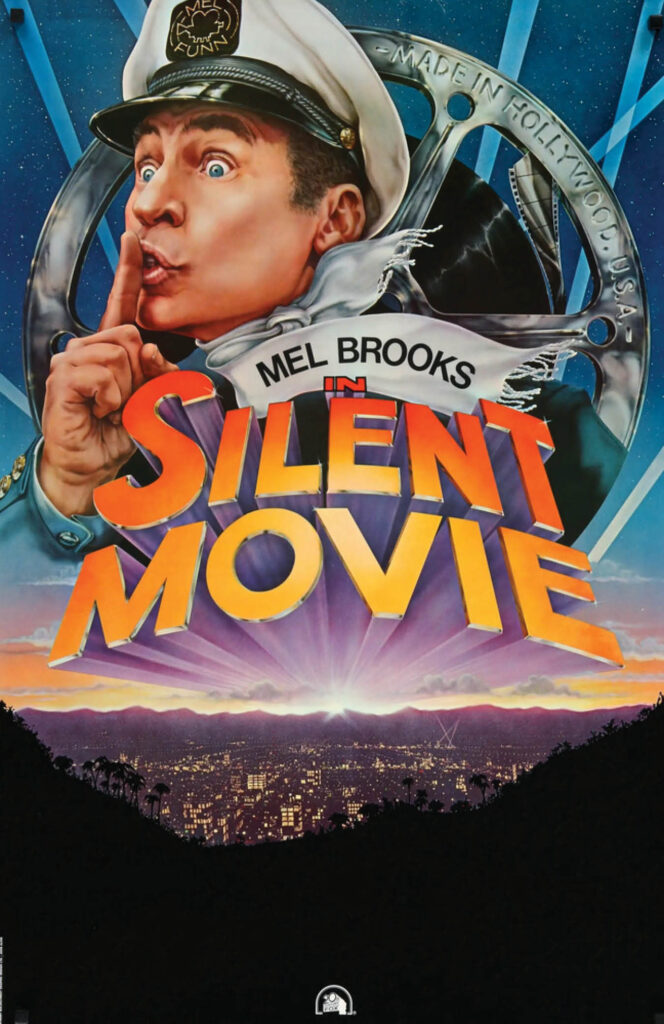
In 1976 Silent Movie is released. Mel Brooks played Mel Funn, a once-successful Hollywood director attempting a comeback. He persuaded a failing studio to finance an extraordinary project: a full-length silent movie. To make his imaginary film commercially irresistible, Funn tried to recruit major stars. Brooks therefore turned the film into a parade of contemporary celebrity cameos: Burt Reynolds, Paul Newman, Liza Minnelli, Anne Bancroft, James Caan, and Marcel Marceau. They appeared essentially as themselves.
The principal theatrical poster was illustrated by John Alvin, whose design turns Brooks into a comic silent-film hero, with the huge three-dimensional SILENT MOVIE title and Brooks making the classic “shhh” gesture.
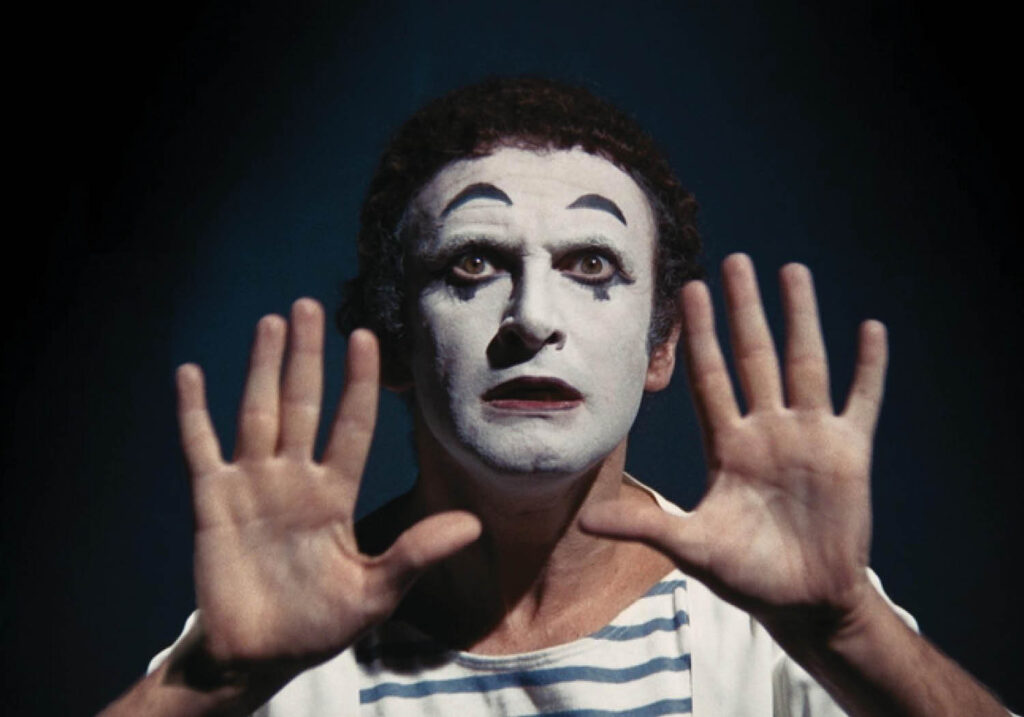
The joke is that Silent Movie itself is essentially a silent film: without spoken dialogue, communication relies on physical performance, title cards, music, and sound effects. The single exception is Marcel Marceau uttering the film’s only audible word. – NON!