by Steve Rockwell
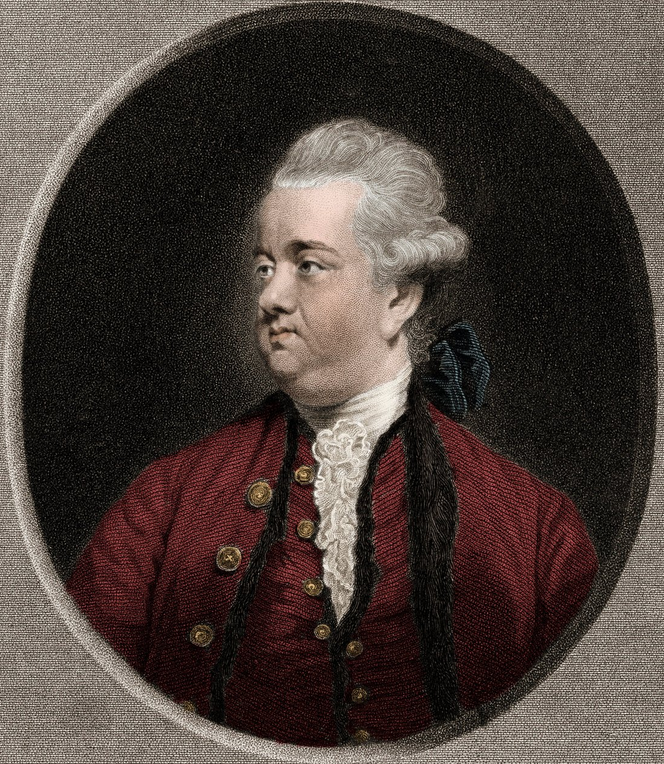
The mythic story of the seven sleepers goes back almost two thousand years. Enlightenment historian Edward Gibbon was somehow compelled to include it in his Decline and Fall of the Roman Empire. He begins, “Among the insipid legends of ecclesiastical history, I am tempted to distinguish the memorable tale of the Seven Sleepers…” In his sarcastic dismissal of it as fable, he is obviously captured and fascinated by it. He gets into the weeds of it – seven Christian youths of Ephesus fleeing the persecution of Emperor Decius and concealing themselves in a mountain cave. The entrance is then sealed with stones, and they fall into a miraculous sleep lasting 187 years.
The sleeping part in itself doesn’t make the story. Believing that they had only slept for a few hours, the sleepers wake up to a completely transformed world. When one of them, Jamblichus, goes into Ephesus to buy bread, the merchant mistakes his ancient coin for buried treasure. They had fallen asleep persecuted, but wake up in a world where Christianity is now triumphant.
Entwined within Granary Lake, Blind River, Ontario lore and its naming, are seven actual sleepers. As reported in the Sault Daily Star December 24, 1938 edition, Mrs. Nelson Mongraln (Elizabeth Boyer) recounts: “In 1880 he (Mr. Murray, a lumber contractor) had some camps at Granary Lake. That year frost came early, November 1. The river was freezing over and the oats and provisions had to be taken in. My brothers, the Boyer boys, seven of them, loaded the scow and started up the river and were all day going. At nightfall they landed and had only unloaded the oats which they piled in a building which served as a warehouse and halfway house.”
“After their evening meal they made a bed alongside the pile of oats. During the night in some mysterious way one of the bags broke open and after a time the pile collapsed and covered the sleeping men suffocating them. Mr. Murray, their boss, discovered them eight days later.”
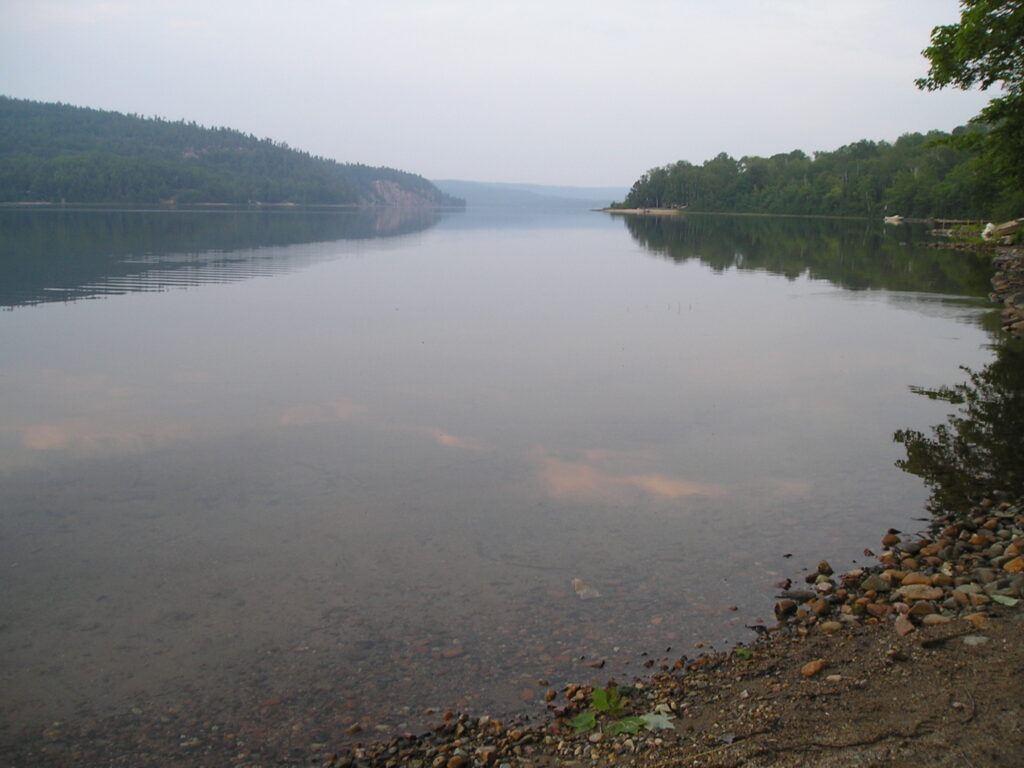
Magog Lake in Blind River, Ontario had been on maps since 1916. Locals, however, called it Granary Lake, which is now its official name. After my parents built their “camp” there in the late 70’s, I made annual summer visits there from Toronto. The Magog name in Biblical history goes back to Noah and the Flood. Magog was one of the seven sons of Japheth, making him Noah’s grandson. The “seven sons mythology” seems to be baked indelibly into this particular Blind River lake.
The “Seven Sleepers” migrate through the Koran in its eighteenth surah, Al-Kahf (“The Cave”) and to Scandinavia, where Gibbon makes a specific historical reference again: “Some vestiges of a similar tradition have been discovered in the remote extremities of Scandinavia.” In an oddly poetic allusion to the seven Boyer brothers of Blind River, he quotes Paul the Deacon, who wrote in the late eighth century: “in a cavern, under a rock, on the shore of the ocean, the Seven Sleepers of the North…”
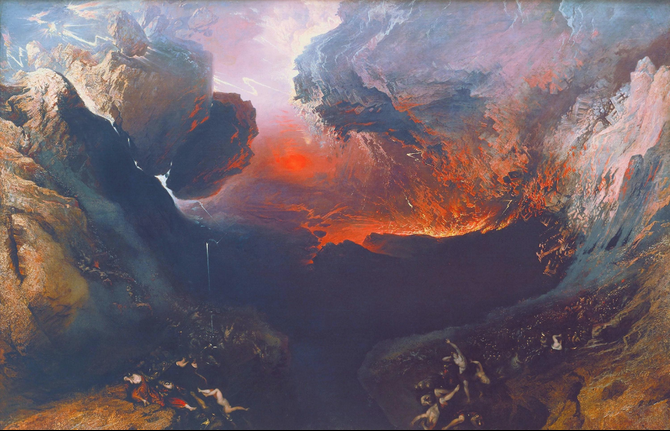
When the naming of the lake from Magog to Granary was made official recently, I retained a nagging suspicion that the Magog appellation had been discarded due to its uncomfortable association. Then Magog Lake is essentially at the precise center of the “Z” Matinenda geological formation that supplied the uranium. That, in turn, fuelled the atomic and hydrogen bombs during the Cold War, heightening the possibility of nuclear annihilation.
In the Book of Revelations, Magog becomes one of the instigators of the Battle of Armageddon. After Christ’s thousand-year reign, Satan is released and goes out: “to deceive the nations which are in the four quarters of the earth, Gog and Magog, to gather them together to battle…” It’s the final uprising before the Last Judgment, and the end of the world as we know it.
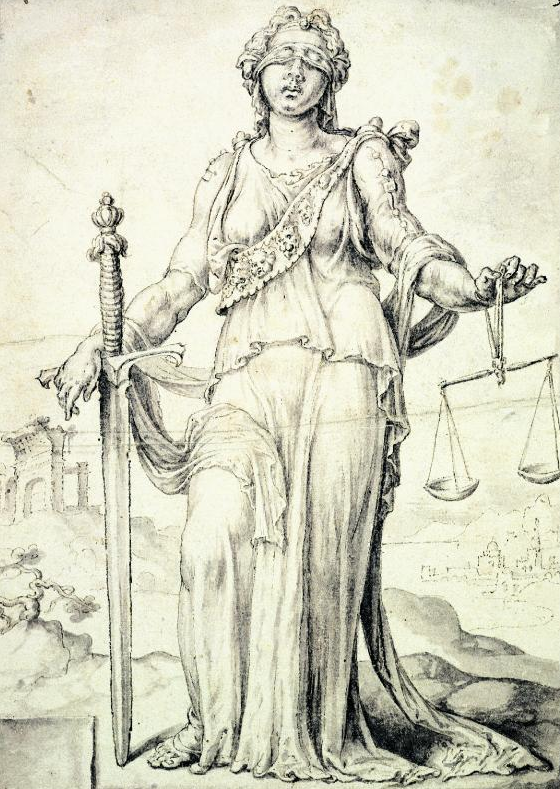
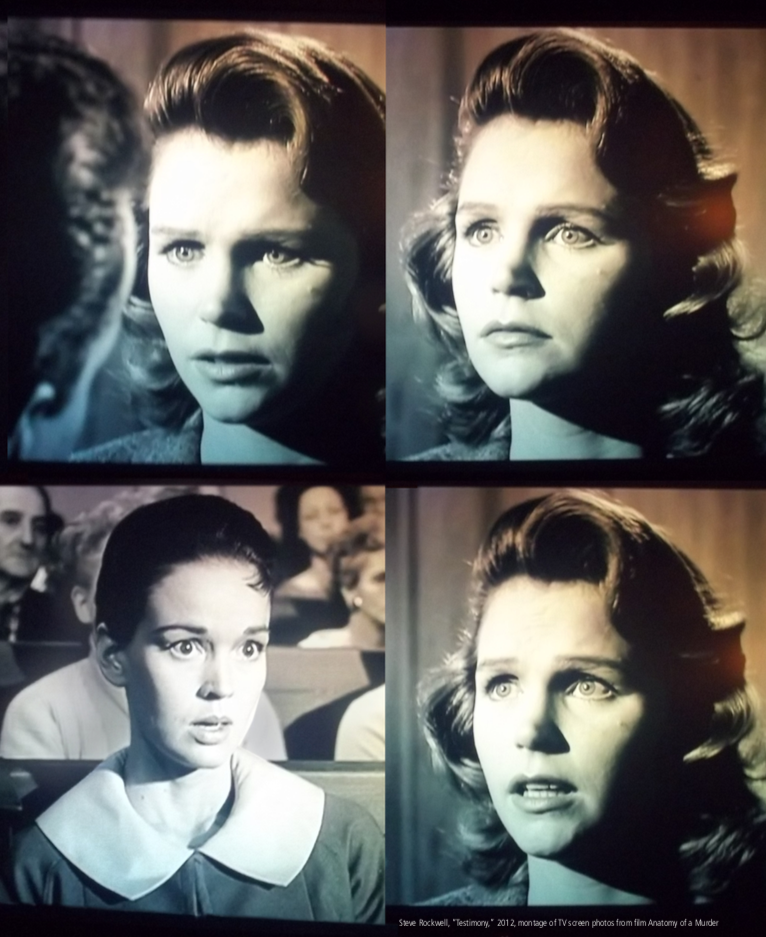
The naming of Blind River itself is worthy of note. To the indigenous peoples of Lake Huron’s north shore, its mouth was invisible to the eye, therefore “blind.” There is a direct Blind River connection to Otto Preminger’s Anatomy of a Murder (1959). The story itself derives from a real 1952 murder at the Lumberjack Tavern in Big Bay, Michigan. In the film, the murdered man, who is the pivot and subject of the trial, is never shown. We don’t even see a photo of him. To the viewer, Barney Quill from Blind River is an unseen presence. His daughter, Mary Pilant, becomes the visible character, who provides the crucial evidence to seal the outcome of the trial.
The legendary breakdown of Neil Young’s beloved hearse, “Mort” (Mortimer Hearseburg), in Blind River, Ontario, is part of rock history folklore. It served as the direct inspiration for his classic 1976 song, “Long May You Run.” The song famously claims, “Well, it was back in Blind River, in 1962, when I last saw you alive.” The actual incident occurred in June 1965. Young later admitted he altered the year in the lyrics to fit the rhythm and meter of the melody.

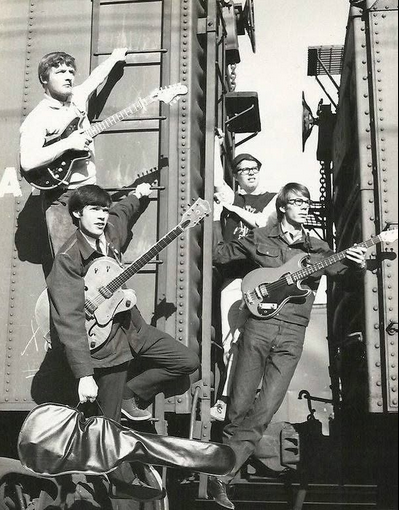
In the summer of 1965, a 19-year-old Neil Young left Fort William (now Thunder Bay). He piled a few fellow musicians and a motorcycle into the back of Mort, a 1948 Buick Roadmaster hearse, and took off for Sudbury and Toronto. Roughly halfway through the trip, near the town of Blind River, the journey came to a halt. Young had missed a shift on the manual transmission while taking a hill too fast, causing the transmission to overheat and implode. The car was a total loss and they were out of money. From Blind River, he sent a brief postcard to his mother, Rassy, writing: “Dear Rassy. Please cancel the insurance as Mort is dead.”