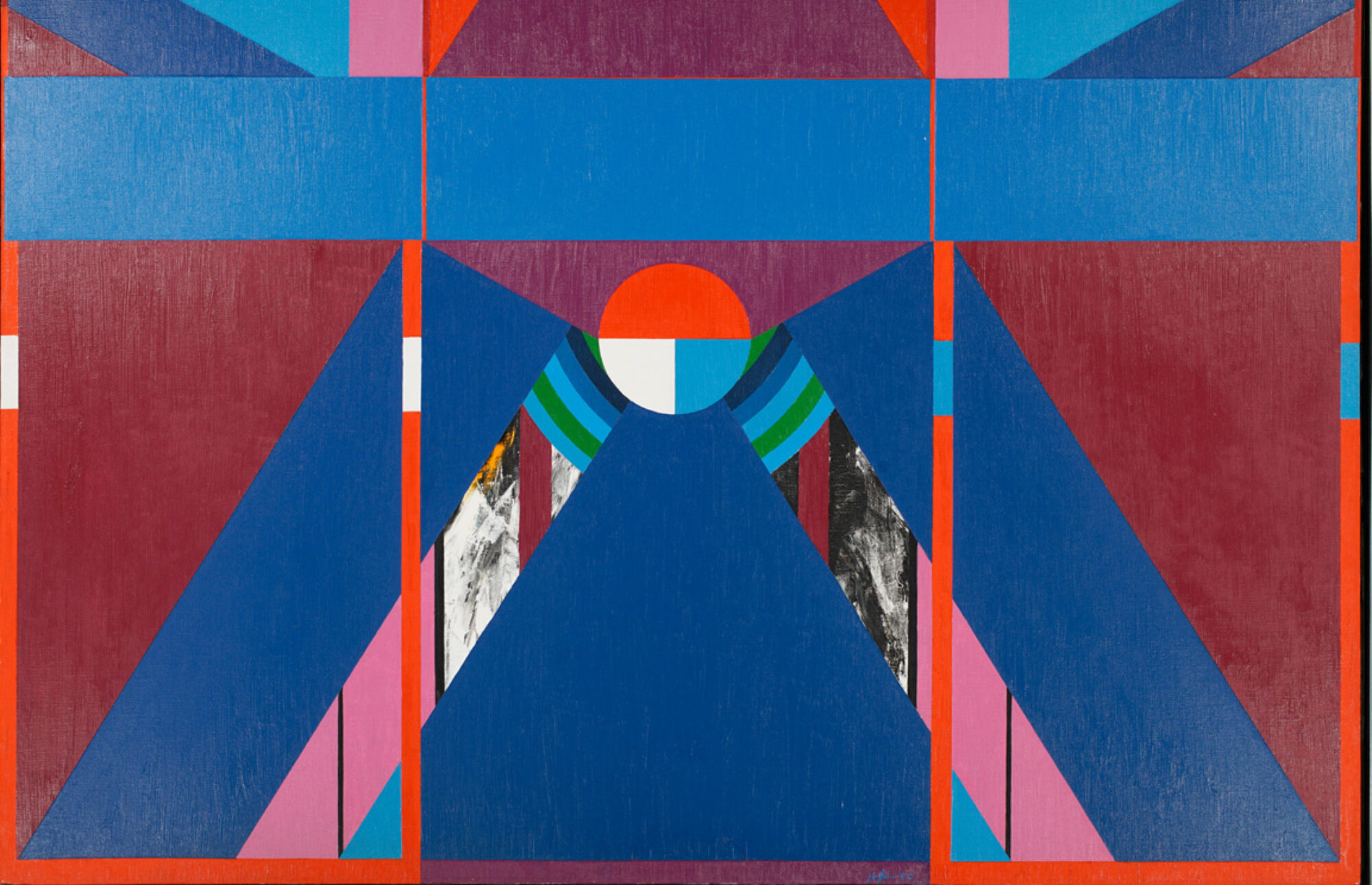
by Steve Rockwell
The problem of making images of what we see and don’t see, what we believe and don’t believe manifests at critical points in history. As events unfold and are recorded, their divisions and distinctions are made clear.
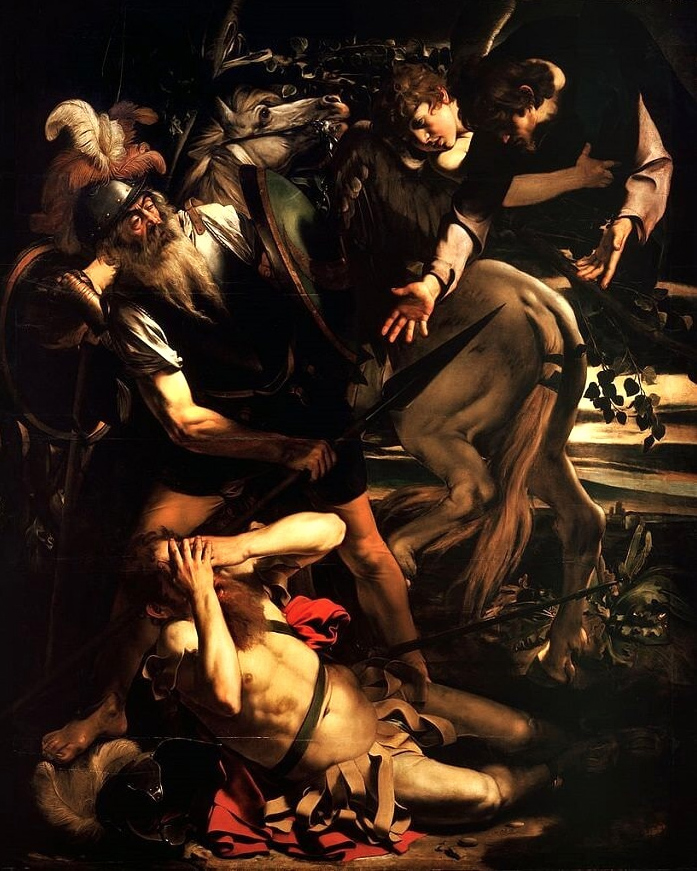
The Cerasi Chapel in Rome rejected this 1601 first version of Caravaggio’s Conversion of St. Paul. Crowded, theatrical, and filled with supernatural action, it’s dramatically different from the later more well-known painting. Here, Caravaggio paints a visible Christ in the heavens accompanied by an angel. Saul has just fallen from his horse. Soldiers, a rearing horse, and swirling movement fill the composition as a brilliant light pours downward from the divine apparition.
The question remains, “Why did the patronage heirs of the Cerasi Chapel reject the first effort by Caravaggio?” It has been suggested to have been too complicated and unconventional. Significantly, the artist here had painted the miracle as a public spectacle rather than a private spiritual experience. Caravaggio’s early ambition had been to advance the monumental in Renaissance art with his own brand of naturalism. His first version renders the heavenly figures corporeal. In the second version they are invisible. Now with Saul’s physical blinding, the viewer is “blinded” to his heavenly vision, as were Saul’s companions.
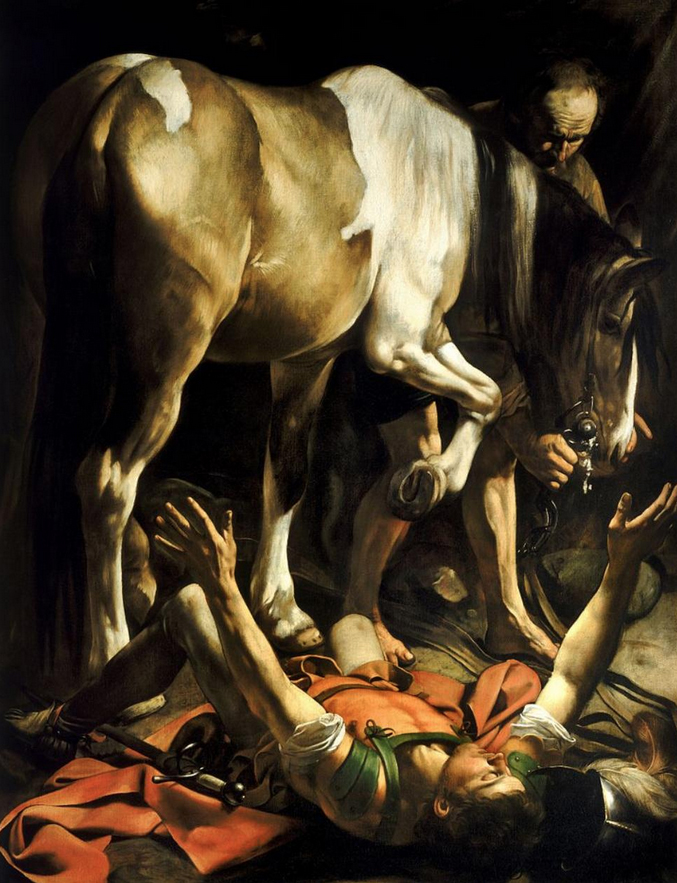
Caravaggio’s second treatment is, in fact, more truthful to Luke’s Book of Acts account. Chapter 9:3-4 “And as he journeyed, he came near Damascus: and suddenly there shined round about him a light from heaven: And he fell to the earth, and heard a voice saying unto him, Saul, Saul, why persecutest thou me?” Verse 7: “And the men which journeyed with him stood speechless, hearing a voice, but seeing no man.”
Caravaggio was part of an emergent Baroque art that arose directly from the conflict between the Protestant Reformation and the Catholic Counter-Reformation. While the Catholic Church employed art as a weapon to fight Protestantism, Protestants introduced a new iconoclasm that stripped church interiors of icons, saints, and martyrs, for a secular art, emphasizing landscapes, portraits, and genre scenes. Dutch Baroque and Rembrandt typified this shift.
Image storms, or “Beeldenstorms,” as they were called, swept through Protestant regions, crowds destroying centuries of Catholic art, statues, and stained glass. It is no mystery why Vermeer’s preference was everyday domestic scenes with realistic portraits, landscapes, and still lifes.
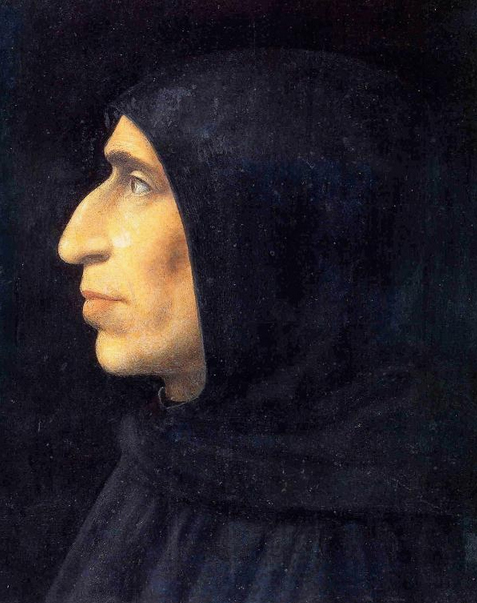
The Renaissance and Catholic world had already endured its own “Bonfire of the Vanities” about a century before Caravaggio. A huge pyramid in the Piazza della Signoria was set on fire at the direction of Dominican preacher Girolamo Savonarola. Not just paintings and drawings, but musical instruments, books and manuscripts, jewelry and fine clothing, just about anything associated with beauty, ergo vanity, went up in flames.
The Christian world, however, had essentially “settled” the issue of image depiction by the 8th century at the second council of Nicaea (year 787), in great part courtesy John of Damascus, one of the last great Church Fathers of the Eastern Christian tradition. Monk and theologian, he had summarized in “The Fount of Knowledge” that because God truly became human in Jesus Christ, the invisible God took on a visible human nature. Therefore, Christ can legitimately be depicted in images. The Incarnation affirmed at Nicaea made sacred art theologically defensible. Subsequently, how this has played out through the course of art history speaks for itself in its manifold movements.
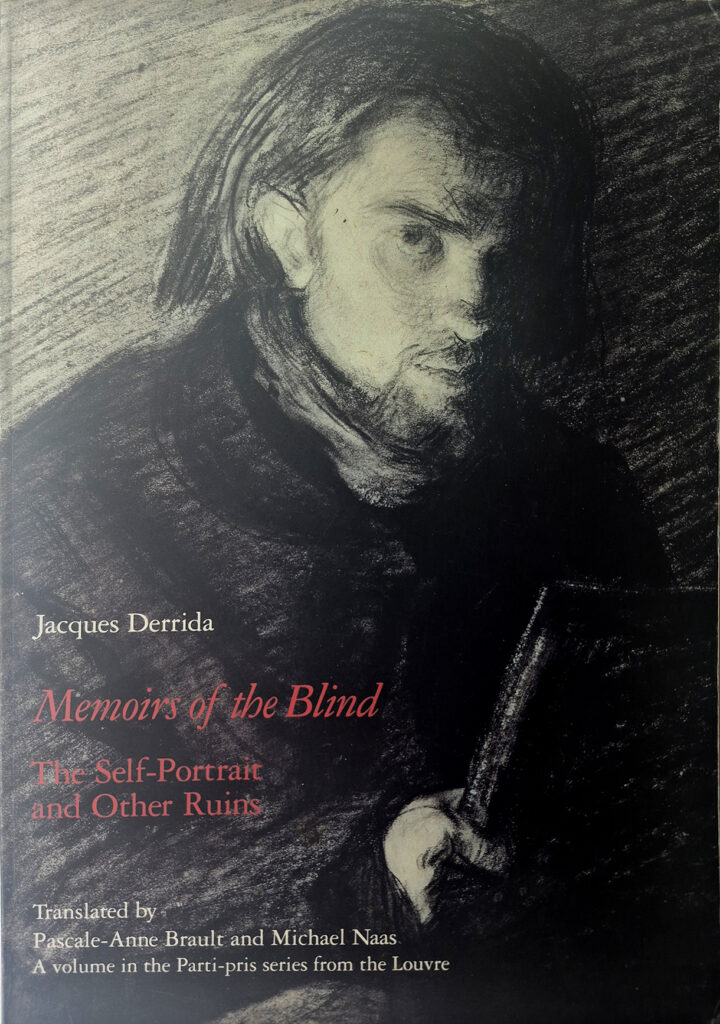
The publication of the Jacques Derrida, Memoirs of the Blind (1993), had been a response to a 1990 exhibition at the Louvre of the same name, the first of a series of shows titled Parti-pris or Taking Sides. Its curators had welcomed the gaze of Derrida on this first exhibition about blind men and visionaries. His reflection, they felt, went “to the heart of the phenomena of vision, from blindness to evidence.” Acknowledging perhaps some difficulty for the neophyte, they continued, “…that at end of the journey each one will have found their own light: what one learns here, in the literal as well as the figurative sense, are the ways of opening eyes.”
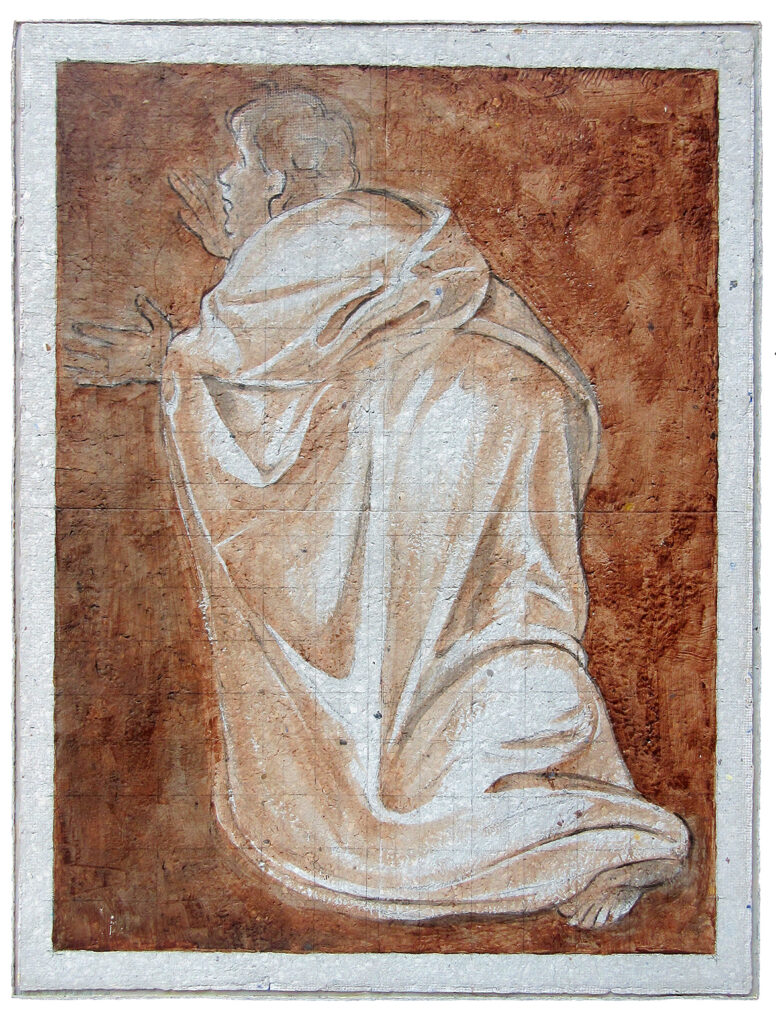
In his Memoirs of the Blind, Derrida observes that blindness is an interruption of Nature, but also an affliction of the will, the will to see [voir] and the will to know [savoir]. He references Christ’s condemnation of the Pharisees, men of letters whose blindness persisted from a wilful refusal to look inside themselves. Derrida cites Isaiah’s prophecy, where Christ said “…you will indeed look, but never perceive …they have shut their eyes; so that they might not look with their eyes…”
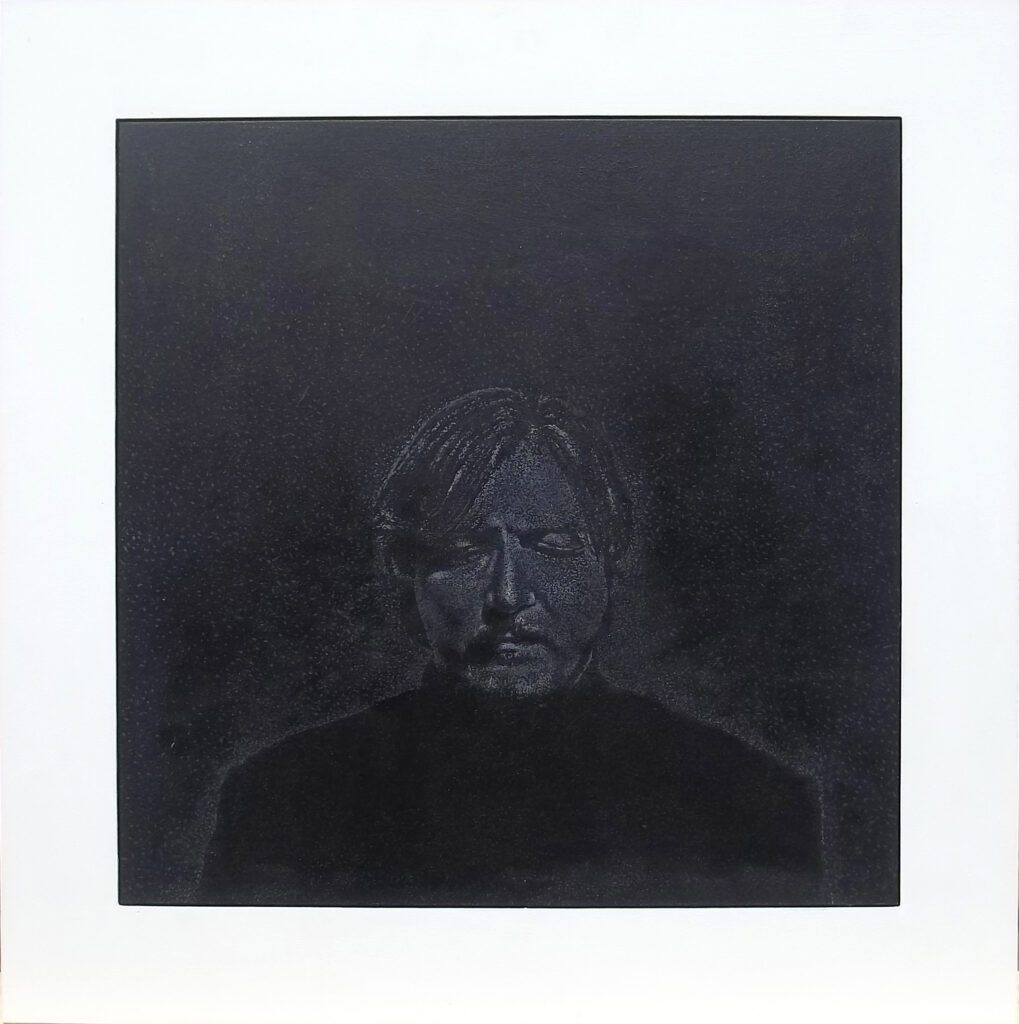
A kind of blindness occurred during the ninth stop of the Meditations on Space, my “odyssey” through art galleries in Europe and North America. It was my first Paris meditation, October 3, 1995. As I described it, ” Galerie Lahumiere was in the process of opening up for the day when the lights blew. Patrice Blanc found the fuse box and told me that the bulk of galleries in the area were at FIAC, the annual Parisian contemporary arts fair. He didn’t think many gallery principals would be available because of the show. He gave me a book on abstract art.” This made it a triple blinding: gallery illumination dimmed, gallery area principals vanished, and the masking of visual figuration within art itself.
My Meditations on Space paintings are the result of a thought experiment on the limits of sight, the edges of what we see within and without. Anyone can do this. In a completely dark room wave your hands before your face as you open and shut your eyes. That visible pattern of tiny points of light that you see is not interrupted or disturbed, suggesting that what you see is entirely within you. The retinal screen within your eye is the tiny wall against which images are projected gradually as the room illuminates. My surprise was the realization of not ever being able to see absolute black. The scintilla are always there, less visible against something white, but always present.