by Steve Rockwell
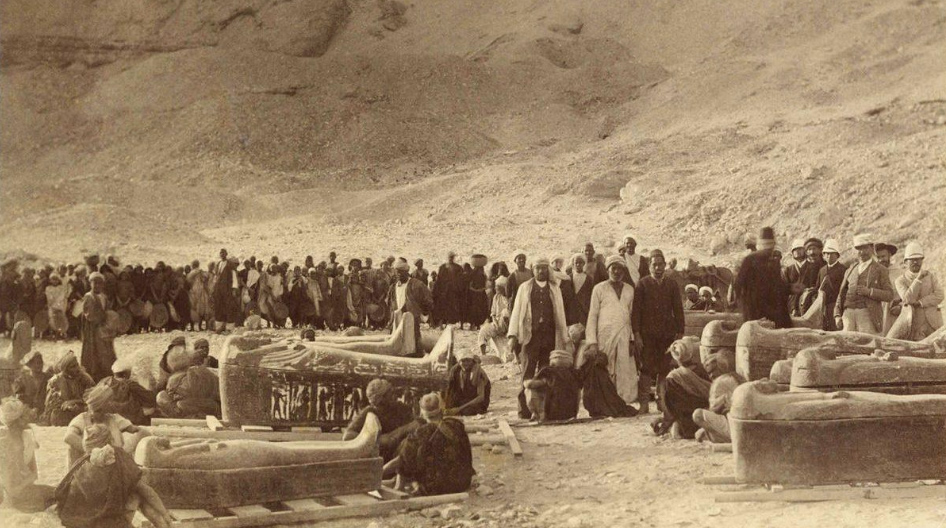
I was introduced to Ramesses I, the founder of Egypt’s 19th Dynasty, in his then Wellington Street West residence in Toronto in the late 1990’s by Bill Jamieson. It is difficult to describe my sense of excitement, as the identity of the mummy was just in the process of being confirmed. Egyptologist Gayle Gibson had made evaluations. There had been discussions with the Michael C. Carlos Museum in Atlanta for a possible sale. After scans, anatomical analyses, and comparisons with royal mummies Jamieson’s Egyptian collection went to Atlanta in 1999. Then in 2003, Ramesses I received a ceremonial state welcome and was placed on display in Egypt’s Luxor Museum, barely two miles from where Ramesses I ruled just over 3,200 years ago.
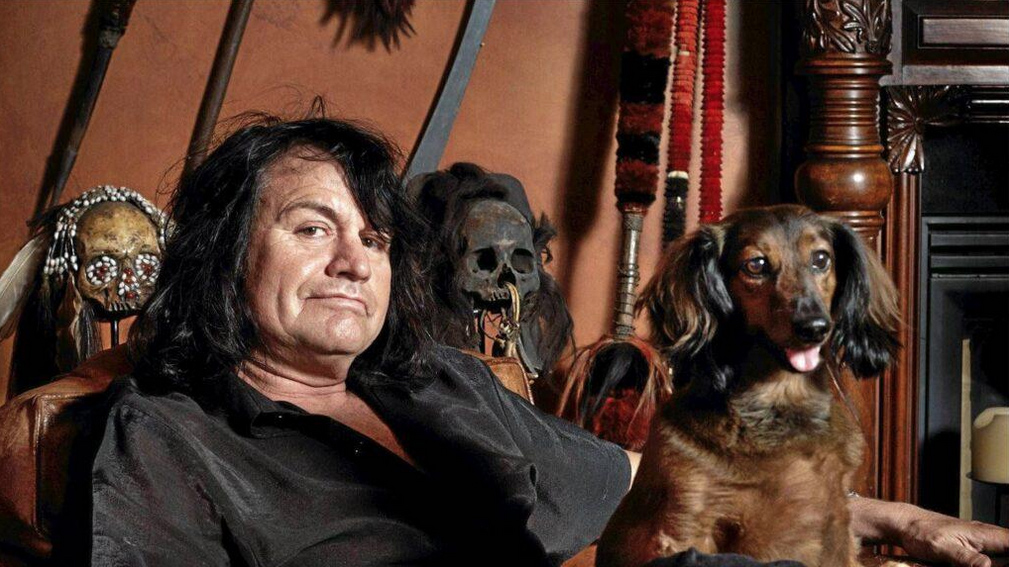
Socially, it had been the shrunken heads that broke the ice. Jamieson’s purchase of the Niagara Falls Museum collection, however, was the big story. The timing mattered. He came across as a grand curiosity-cabinet figure at a time when museums were beginning to reconsider the ethics of collecting. Essentially, he had been a Toronto contractor whose loft became a museum, and who now holds a place in history for discovering a lost Egyptian pharaoh.
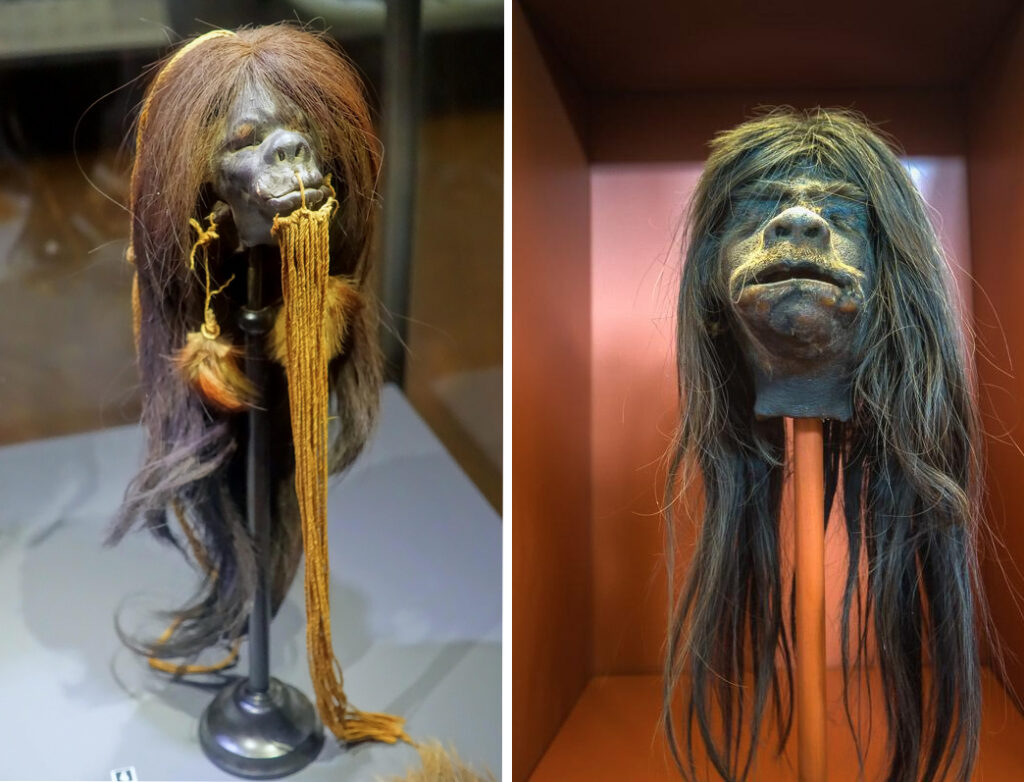
Jamieson’s loft was his business headquarters, his client list including the Royal Ontario Museum, the Metropolitan Museum of Art, Christie’s, and Sotheby’s. Objects came and went as he bought, researched, authenticated, and sold. His 6,000-square-foot home with 14-foot ceilings held thousands of objects; Egyptian mummies, one of the world’s largest private collection of shrunken heads (about a dozen), South America, Africa, and Oceania tribal art, electric chairs and Medieval torture devices, coffins, anatomical specimens, and curiosities from around the world. His Halloween parties became legendary. A sweeping curved staircase cut through the loft’s three floors making the panorama equal parts Madame Tussauds and Twilight Zone. Visiting guests reportedly included Tim Burton, Steve Tyler, and Mick Jagger.
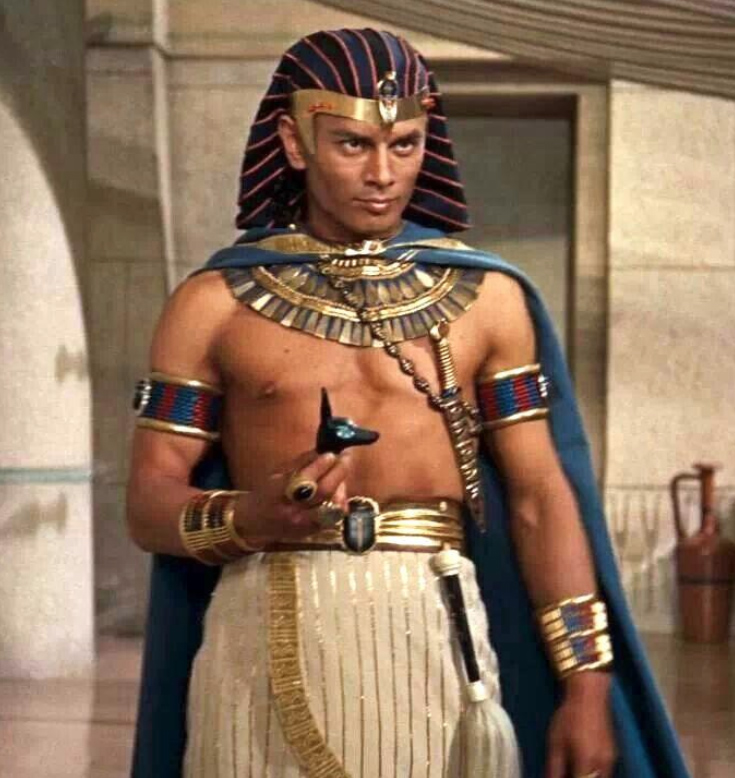
Historically, Ramesses I ruled a mere two years, leaving little dramatic material for filmmakers. The reign of his grandson, Ramesses II (“Ramesses the Great”), on the other hand, stretched 66 years, with a trail of monumental temples. While traditionally identified as the pharaoh of the Exodus story, scholarship renders this less than definitive. Ramesses I came to the throne around 1292 BC, as Egypt reached the height of New Kingdom power, placing him at the beginning of the last great flowering of Bronze Age civilization, before its collapse a century later.