by Roy Bernardi and Jennifer Leskiw
William Ronald, a founding member of Painters 11, was a prominent Canadian abstract expressionist painter who would have celebrated his centenary this year. In honour of this milestone, the Christopher Cutts Gallery and The modern.toronto are hosting an exhibition showcasing his artwork to commemorate what would have been Ronald’s 100th birthday.
Who is William Ronald and why is he so important to Canadian art?
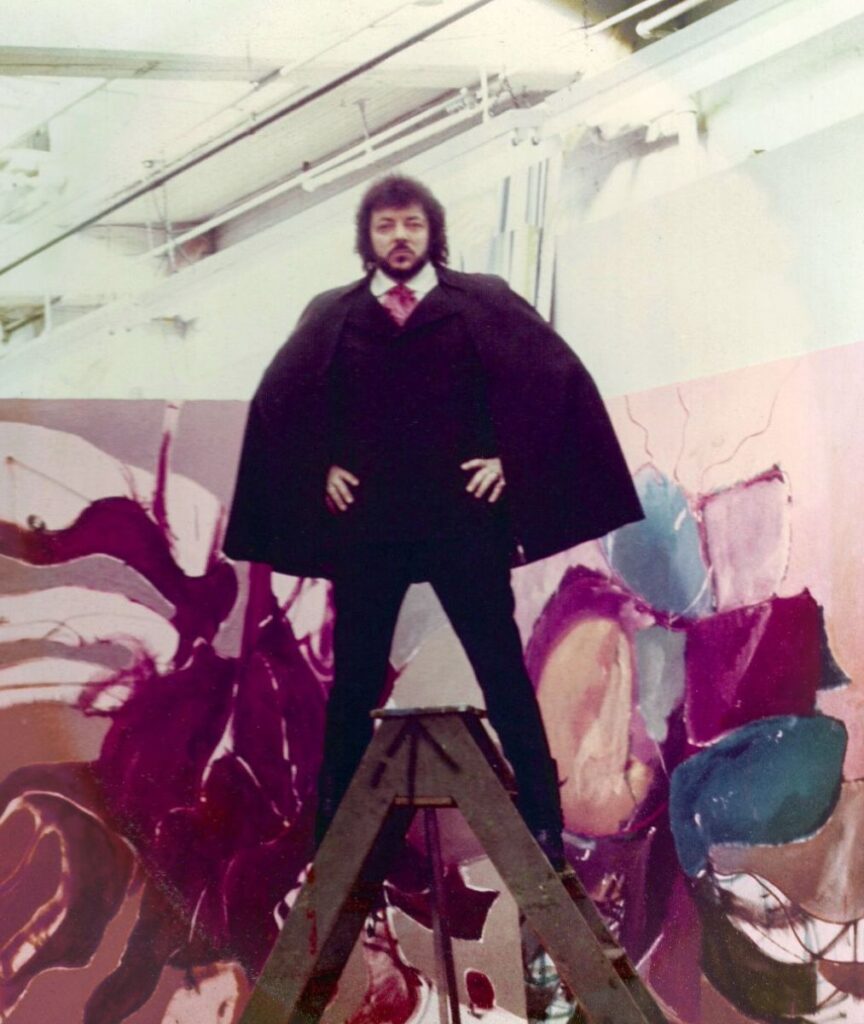
Many art historians, critics, and collectors alike call him one of Canada’s most critically acclaimed and internationally successful artists emerging in the 1950s. He was born William Ronald Smith in Stratford, Ontario in 1926.
Ronald graduated from the Ontario College of Art in 1951 and then went to New York to study with Abstract Expressionist Hans Hofmann. Upon his return to Toronto, in a landmark exhibition, Painters Eleven was formed in 1953. The group was accredited with bringing avant-garde American abstract expressionism into the mainstream Canadian art scene. Ronald is best known for the crucial role he played in establishing this highly influential group.
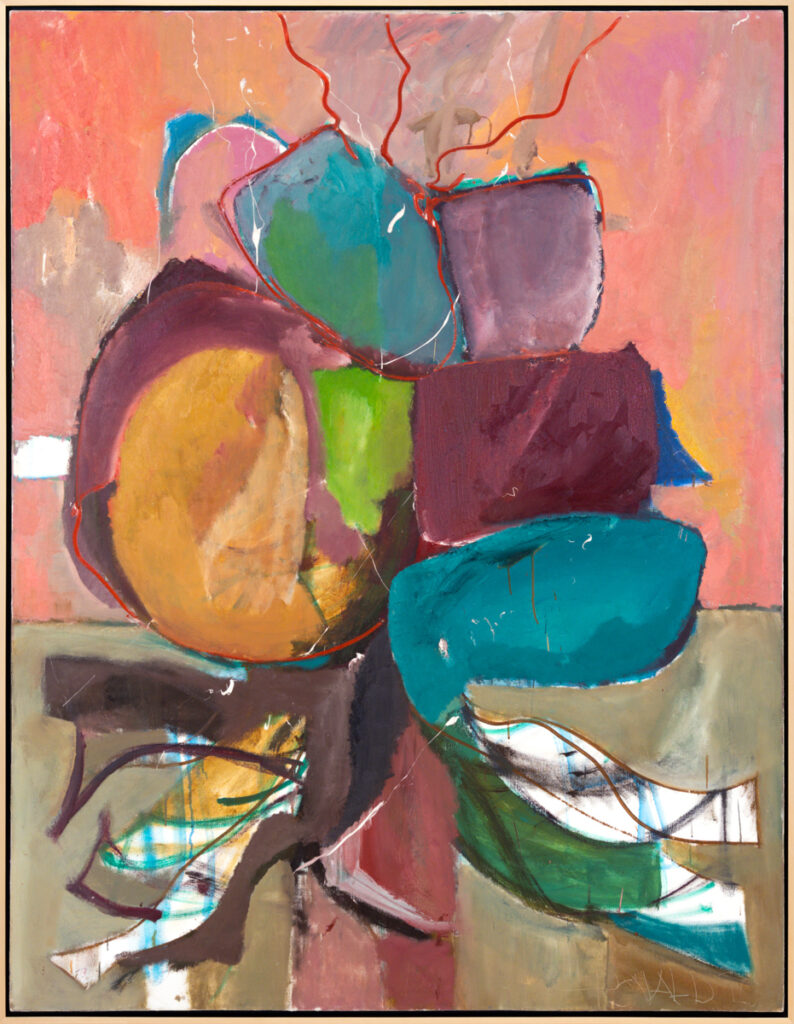
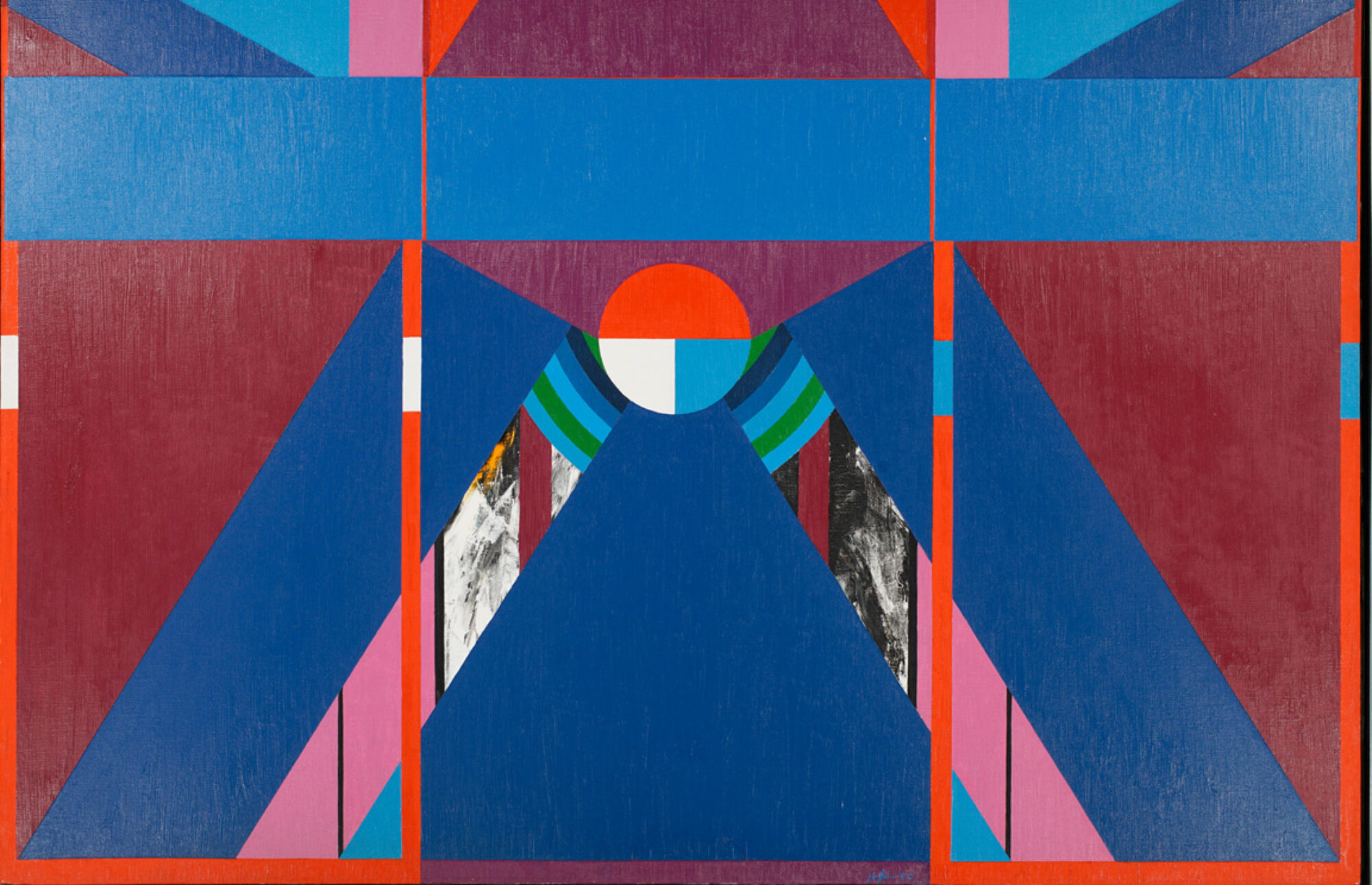
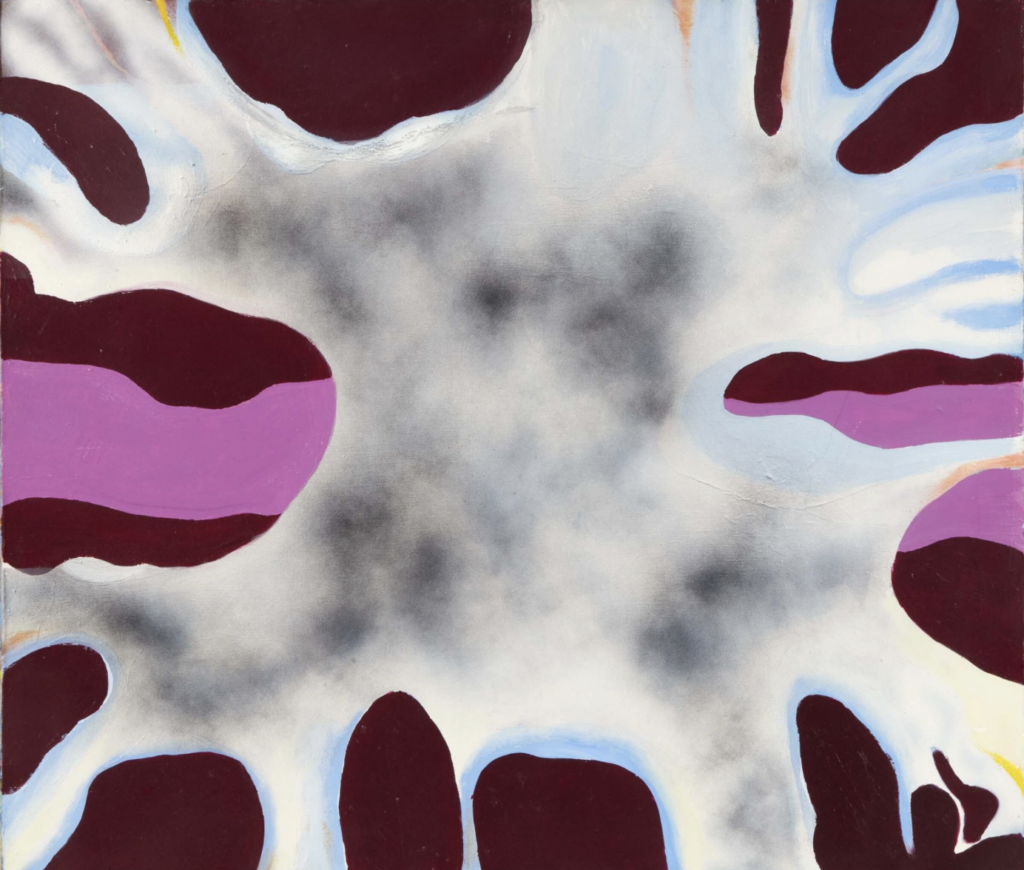
Ronald was a flamboyant character with a love for the dramatic. He loved to paint in public, frequently hiring strippers and showgirls to dance around him as he painted. He was incredibly prolific creating large-scale, explosive abstract expressionist paintings that disrupted the traditional Canadian art market. His work evolved significantly over his career, shifting from raw, textured gestures into structured colour blocks, along with ambitious public murals. He became internationally famous for creating the central image style within abstract expressionism. Rather than scattering detail across the entire canvas, his paintings featured a singular, highly energetic focal point surrounded by aggressive brushstrokes
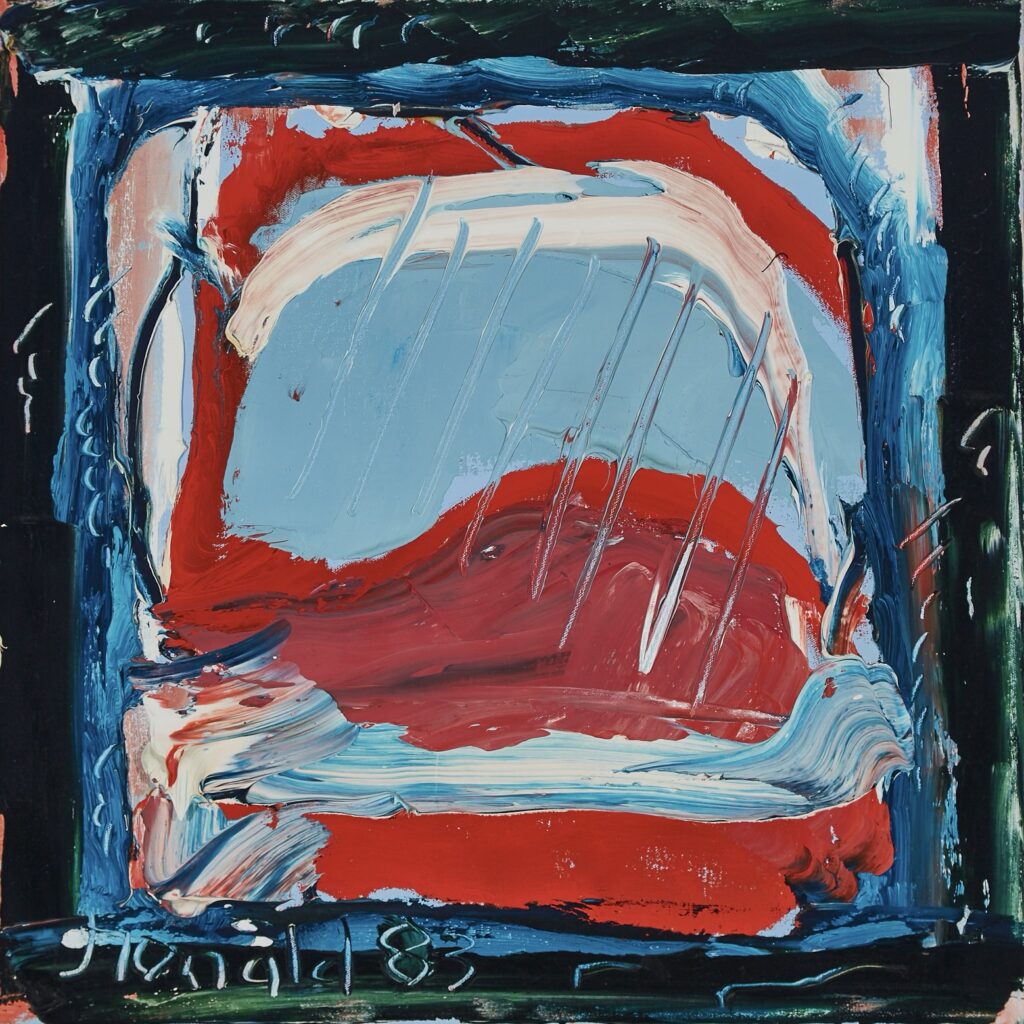
Ronald moved back to NYC and eventually became an American citizen. He shared a studio with Frank Stella and joined the stable of artists at Manhattan’s Kootz Gallery. He was accepted by critics and collectors and enjoyed a period of success. Eventually, Ronald returned to Toronto and continued with his career that included work for CBC, CTV and CityTV as the host of a variety show. He continued to paint through the 1970s, ’80s and ’90s, moving to Montreal and then to Barrie, Ontario where he maintained an active studio.
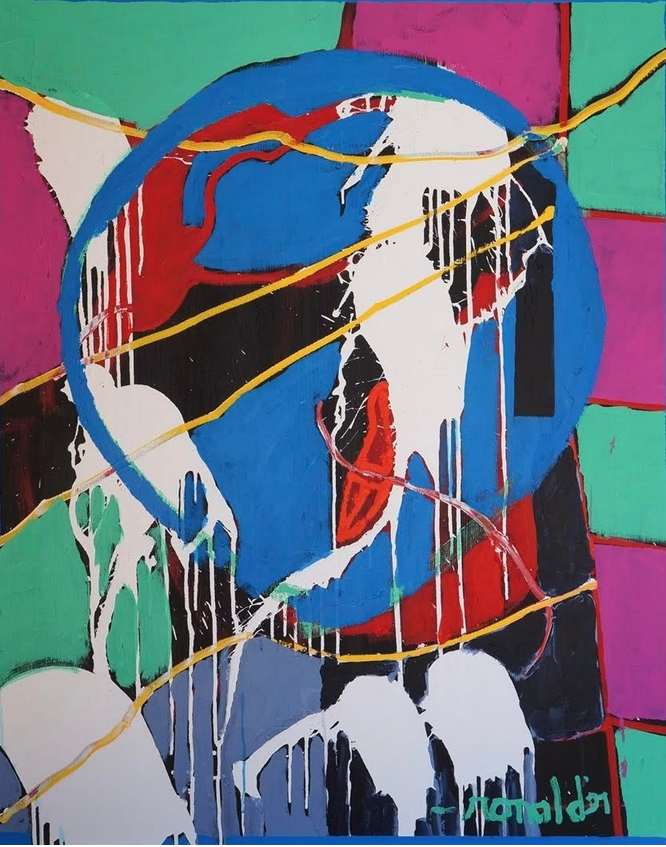
He continued to work until his death in 1998 when he suffered a heart attack while painting. However, he lived long enough to name the work Heart Attack.
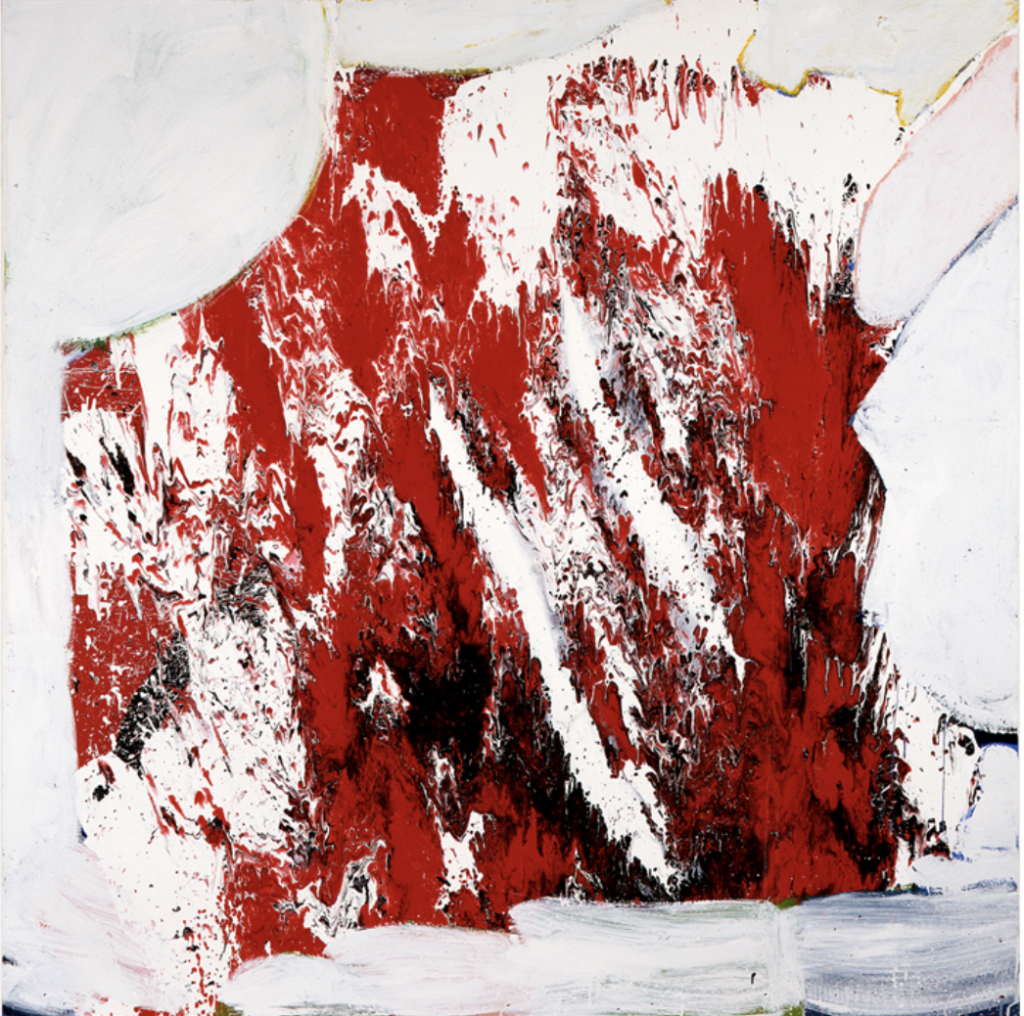
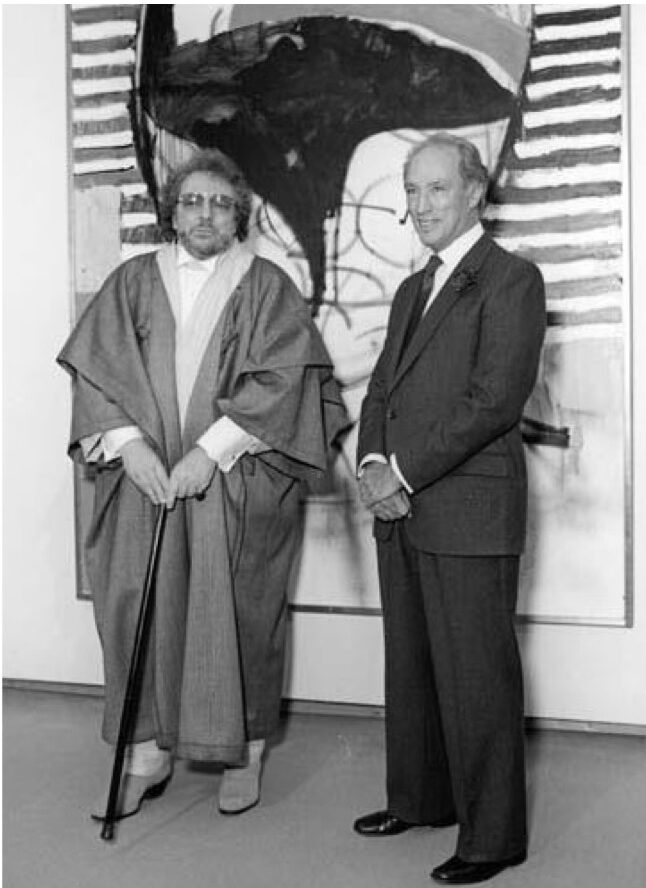
Ronald won the International Guggenheim Awards, Canadian Section in 1956, and was part of the National Gallery of Canada’s Second Biennial of Canadian Painting in 1957. In 1977, he was awarded a Canada Councils senior arts award to pursue his Prime Ministers project. He gained some notoriety for his portrait series of Canadian Prime Ministers, abstracted portrayals of heads of government opened by Prime Minister Pierre Trudeau in Toronto. The exhibition toured Canada. These works are in the permanent collection of the Kitchener-Waterloo Art Gallery in Kitchener, Ontario.
The Christopher Cutts Gallery is hosting an opening exhibition from September 10th to October 10th, showcasing a selection of works spanning from the 1950s to the 1990s, including one of the artist’s final pieces that encapsulates his extensive creative journey. Cutts’s connection with William Ronald began serendipitously when Ronald entered the gallery, acknowledging his status as a member of Painters 11 with the declaration, “I’m here.” This encounter led to Ronald being represented by the Cutts Gallery. Ronald is a significant figure in the art world, with his works featured in major museum collections across North America, including The Museum of Modern Art (MOMA), the Solomon R. Guggenheim Museum, and The Whitney Museum of American Art, as well as numerous Canadian institutions such as the National Gallery and the Art Gallery of Ontario. A standout piece in the exhibition is titled September, a 1961 oil on canvas from the Rockefeller collection, measuring 60×50 inches, which was acquired from the Kootz Gallery in New York City. Additionally, the exhibition will include an Untitled painting from 1997, an acrylic on canvas measuring 72×72 inches, recognized as Ronald’s final work.
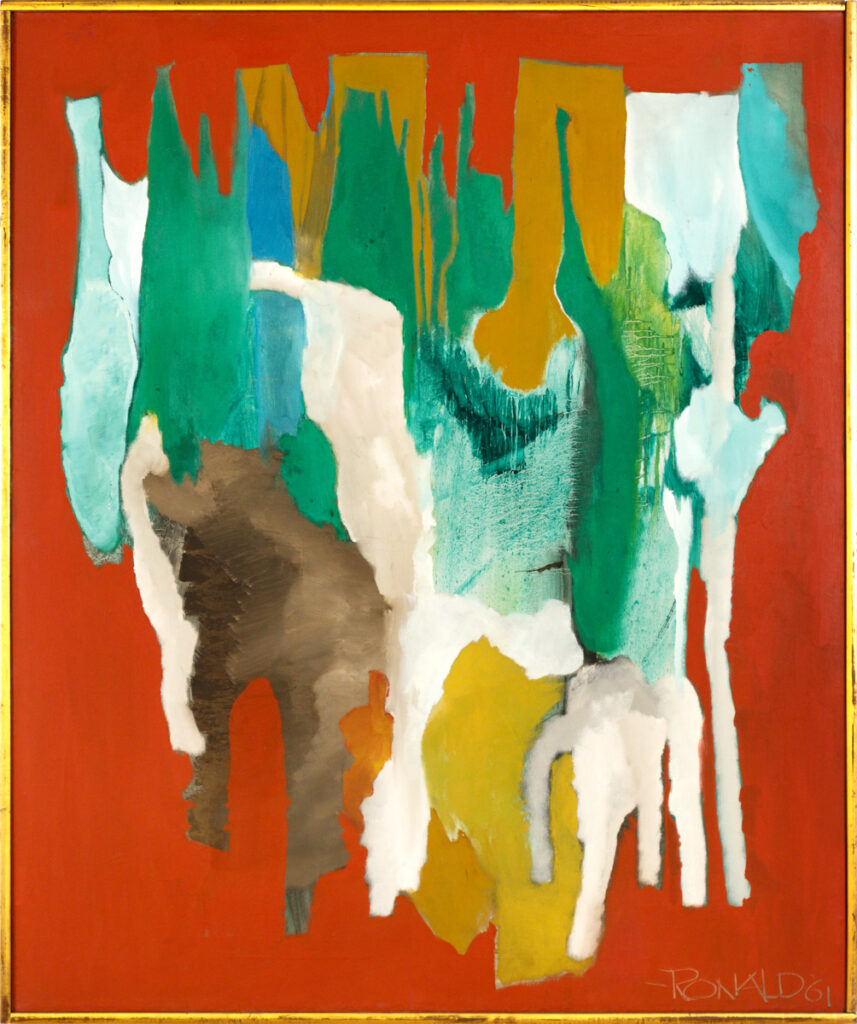
The modern.toronto, will also host an exhibition commemorating the 100th anniversary of Ronald, showcasing works from private collections starting October 24th through to the end of November. This exhibition, curated by Lawrence Brissenden, who is currently cataloging Ronald’s extensive body of artwork. The William Ronald Authentic Inventory (WRAI), currently Version 5 catalogue raisonné project highlights the artist’s remarkable contributions. Ronald, unquestionably the most flamboyant member of the Painters 11 group, produced a vast array of works, each accompanied by intriguing narratives from his life. Notably, he would often inscribe messages on the backs of his canvases, such as on his 1997 painting titled Jasmine, an acrylic on canvas measuring 48×36 inches where he inscribed “first painting executed at 21 Dunlop St. Barrie”.
Furthermore, Ronald will be historically acknowledged as one of Canada’s most prominent abstract expressionist artists, bringing abstraction to the forefront in the country. The exhibition at the Christopher Cutts Gallery, along with the forthcoming exhibition at the Modern Toronto Museum, represents a significant historical showcase, allowing viewers to experience a concentrated collection of works by the master William Ronald. These exhibitions are essential additions to any art enthusiast’s bucket list.